
A modern patterned kitchen backsplash can completely change how a kitchen looks and feels. It adds texture, movement, and personality while still working effortlessly within a modern space.
In today’s kitchens, the backsplash has evolved into a true design feature. Patterned surfaces now help define the room, connect finishes, and introduce visual interest without overpowering the overall layout.
From crisp geometric tiles to layered mosaics and subtle textures, modern patterned backsplash designs offer endless ways to add character. The right pattern can elevate cabinetry, highlight countertops, and bring balance to both bold and neutral kitchens.
In this post, you’ll find modern patterned kitchen backsplash design ideas along with thoughtful guidance to help you choose a style that feels current, cohesive, and timeless.
Why Modern Patterned Kitchen Backsplashes Are Trending
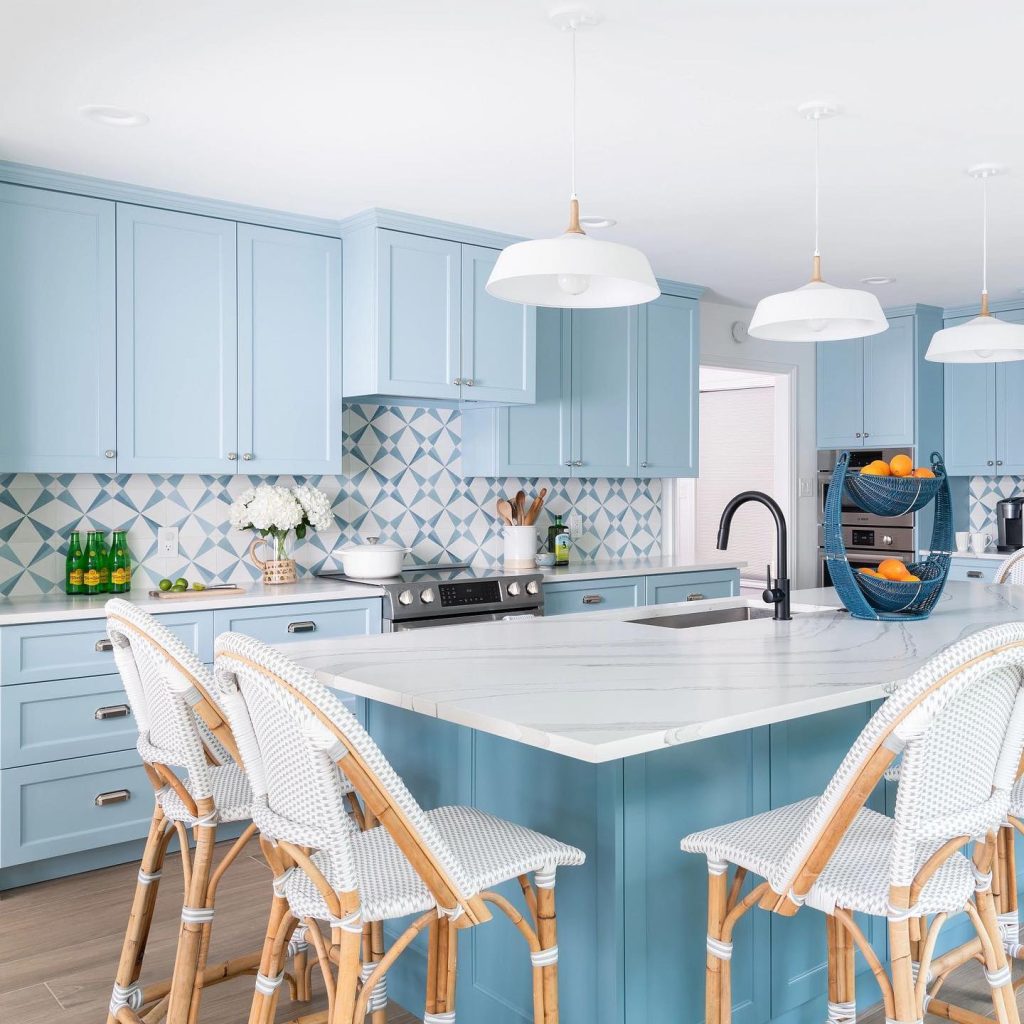
Patterned backsplashes have become a defining feature in modern kitchens because they bring character without overwhelming the space. Instead of relying solely on cabinetry or countertops for visual interest, homeowners are using backsplashes to introduce pattern, texture, and subtle contrast in a controlled way.
What makes this trend last is its flexibility. A well-chosen pattern can feel bold or understated, depending on scale, color, and placement, making it easy to tailor to different kitchen styles and layouts.
How Patterned Backsplashes Add Depth and Visual Impact
Pattern introduces movement where kitchens are often dominated by flat surfaces. A patterned backsplash breaks up long runs of cabinetry and creates a focal point that draws the eye naturally.
Whether the pattern is geometric, organic, or softly textured, it adds depth that plain tile cannot achieve. This visual layering helps modern kitchens feel more finished and intentional rather than stark or overly minimal.
A Design Element That Works Across Many Kitchen Styles
One reason patterned backsplashes continue to grow in popularity is their versatility. They can enhance sleek modern kitchens, soften transitional spaces, or add interest to farmhouse and contemporary designs alike.
Scale and material play a key role here. Larger patterns tend to feel more modern and graphic, while smaller or repeated motifs blend easily into classic or mixed-style kitchens. This flexibility makes patterned backsplashes a smart choice for kitchens that blend styles, including modern farmhouse kitchen styling (How To Get The Farmhouse Style Kitchen Look).
Using Pattern and Texture to Reflect Personal Style
Patterned backsplashes allow homeowners to express personal taste in a way that feels curated rather than permanent or overwhelming. Color, finish, and texture can all be adjusted to reflect individual style while still supporting the overall kitchen design.
Some designs lean bold and expressive, while others rely on subtle variation and tone-on-tone patterns. Both approaches create kitchens that feel personal without competing with other design elements.
Where Style Meets Everyday Kitchen Use
Beyond appearance, patterned backsplashes also support daily kitchen use. Materials chosen for patterned designs are often durable, easy to maintain, and well-suited to high-traffic areas.
When thoughtfully selected, a patterned backsplash enhances both form and function. It protects key areas while contributing to a kitchen that feels cohesive, practical, and visually engaging.
How Pattern Scale and Placement Affect the Final Look
Pattern scale and placement play a major role in how a modern patterned kitchen backsplash is perceived. Even the most beautiful tile can feel overwhelming or underwhelming if it’s not used in the right proportion or location.
Larger patterns tend to make a stronger statement and work best when used selectively, such as behind a range or along a single focal wall. Smaller or repeating patterns are often better suited for full-wall backsplashes, where they add interest without visually crowding the space.
Placement matters just as much as scale. Extending a patterned backsplash to the ceiling can emphasize height and create a dramatic focal point, especially in kitchens with simple cabinetry. In more detailed kitchens, limiting the pattern to key areas helps maintain balance and keeps the design feeling intentional.
By considering both scale and placement early in the design process, a patterned backsplash can enhance the kitchen’s layout rather than compete with it.
Choosing Between Matte and Glossy Patterned Tiles
The finish of a patterned backsplash can change how the design is experienced just as much as the pattern itself. Matte and glossy tiles each bring a distinct look and feel, and the right choice depends on the overall style of the kitchen.
Glossy finishes reflect light, which can make patterns appear sharper and more defined. They work especially well in kitchens with limited natural light or in spaces where you want the backsplash to stand out as a focal point. Glossy tiles also enhance color contrast, helping patterns feel crisp and intentional.
Matte finishes create a softer, more understated effect. They tend to absorb light rather than reflect it, which allows patterns to blend more seamlessly into the surrounding design. Matte patterned tiles are often preferred in modern and minimalist kitchens where texture and tone take priority over shine.
When choosing between matte and glossy, consider how much visual emphasis you want the backsplash to have. Both finishes can work beautifully in a modern patterned kitchen backsplash when selected with the overall balance of the space in mind.
Popular Modern Patterned Kitchen Backsplash Design Ideas
Modern patterned kitchen backsplashes come in many styles, allowing you to shape the look of your kitchen in subtle or bold ways. The key is choosing a pattern that complements the overall design while adding just enough visual interest to elevate the space.
Below are some of the most popular patterned backsplash approaches seen in modern kitchens today.
Geometric Backsplash Patterns for a Clean, Modern Look
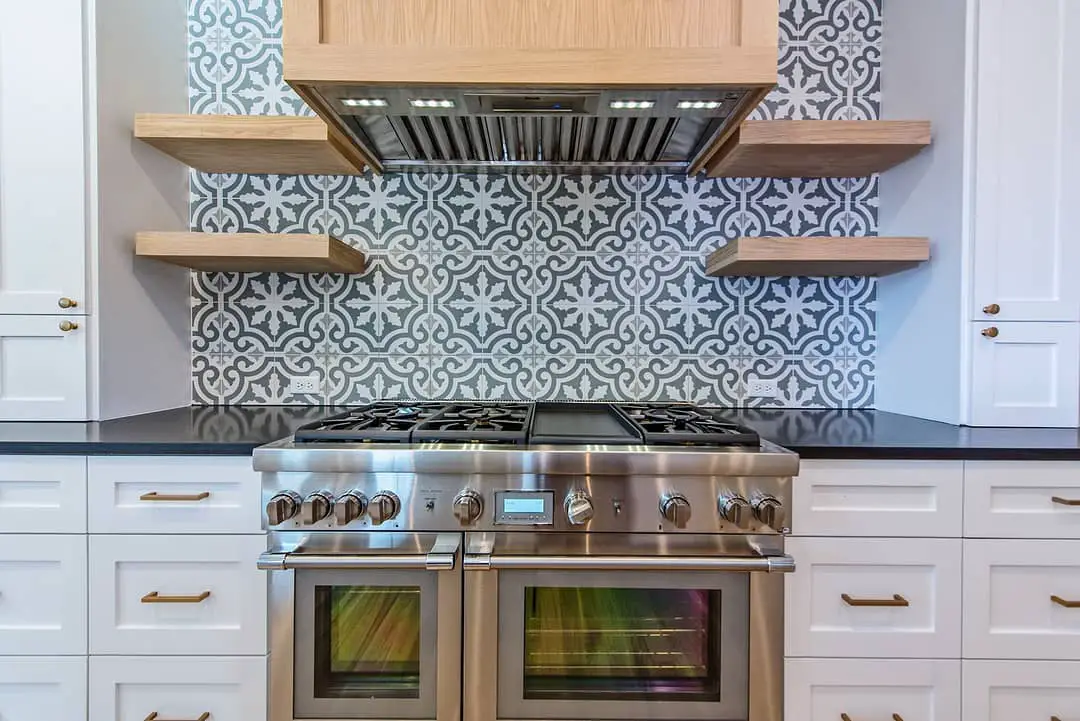
Geometric patterns are a natural fit for modern kitchens. Their clean lines and structured layouts pair well with contemporary cabinetry and streamlined finishes.
Depending on the scale and contrast, geometric backsplashes can feel graphic and bold or soft and understated. Larger shapes tend to create a stronger visual statement, while smaller repeating patterns blend seamlessly into minimalist designs without overpowering the room. If you’re exploring how geometry can shape a space beyond the kitchen, using geometric patterns throughout interior design offers deeper insight into balancing structure and visual flow.
Large-Format Patterned Tiles for a Seamless Modern Look
Large-format patterned tiles are becoming a popular choice in modern kitchens because they create impact without visual clutter. Fewer grout lines allow the pattern to read more clearly, giving the backsplash a cleaner and more continuous appearance.
This style works especially well in kitchens that favor simplicity and balance. Bold patterns feel more refined when spread across larger tiles, while subtle designs gain presence without overwhelming the space. Large-format tiles can also help smaller kitchens feel more open by reducing visual breaks along the wall.
When used thoughtfully, large-format patterned backsplashes strike a balance between statement and restraint, making them a strong option for contemporary kitchen designs.
Mosaic Tile Backsplashes with a Modern Twist
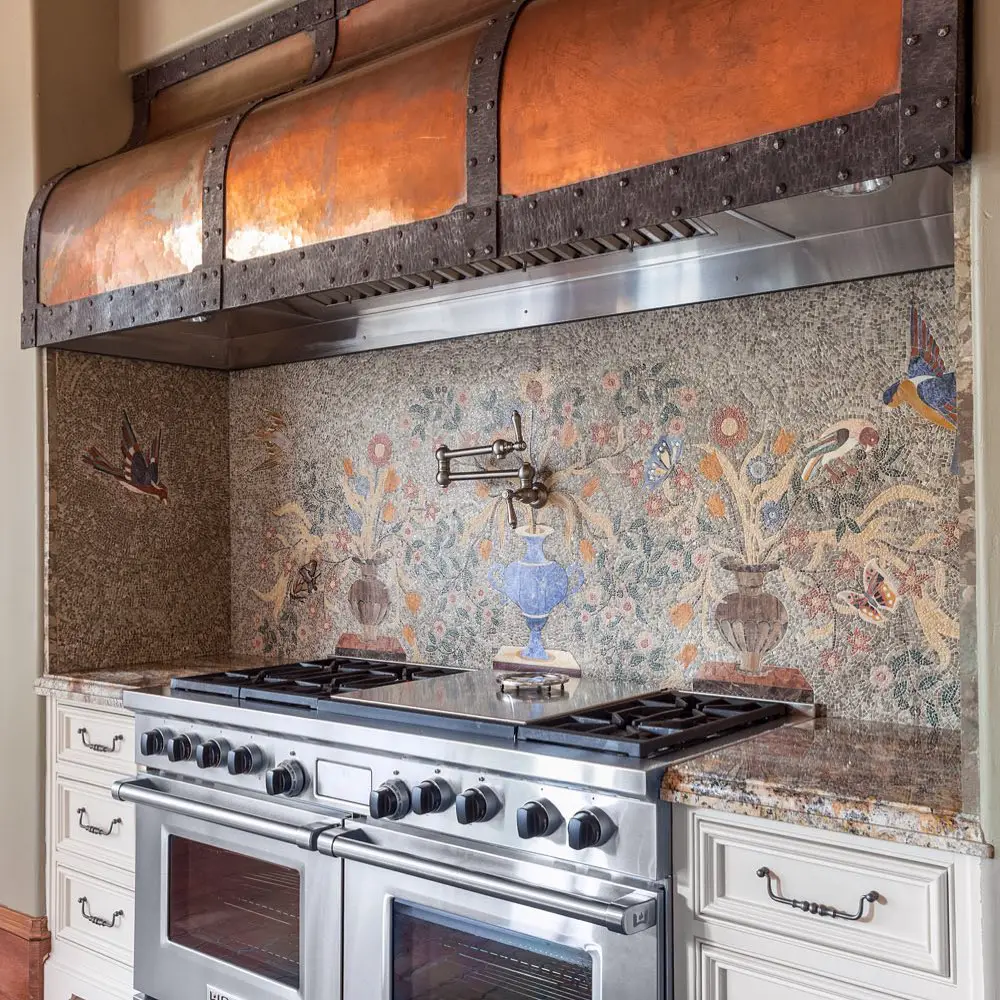
Mosaic tiles offer flexibility and creativity while still working beautifully in modern spaces. Updated color palettes and simplified layouts keep mosaics feeling current rather than traditional.
Used thoughtfully, mosaic backsplashes add texture and visual depth without competing with countertops or cabinetry. They work especially well in kitchens that benefit from subtle variation rather than high contrast.
Updating Classic Subway Tile with Colored Grout
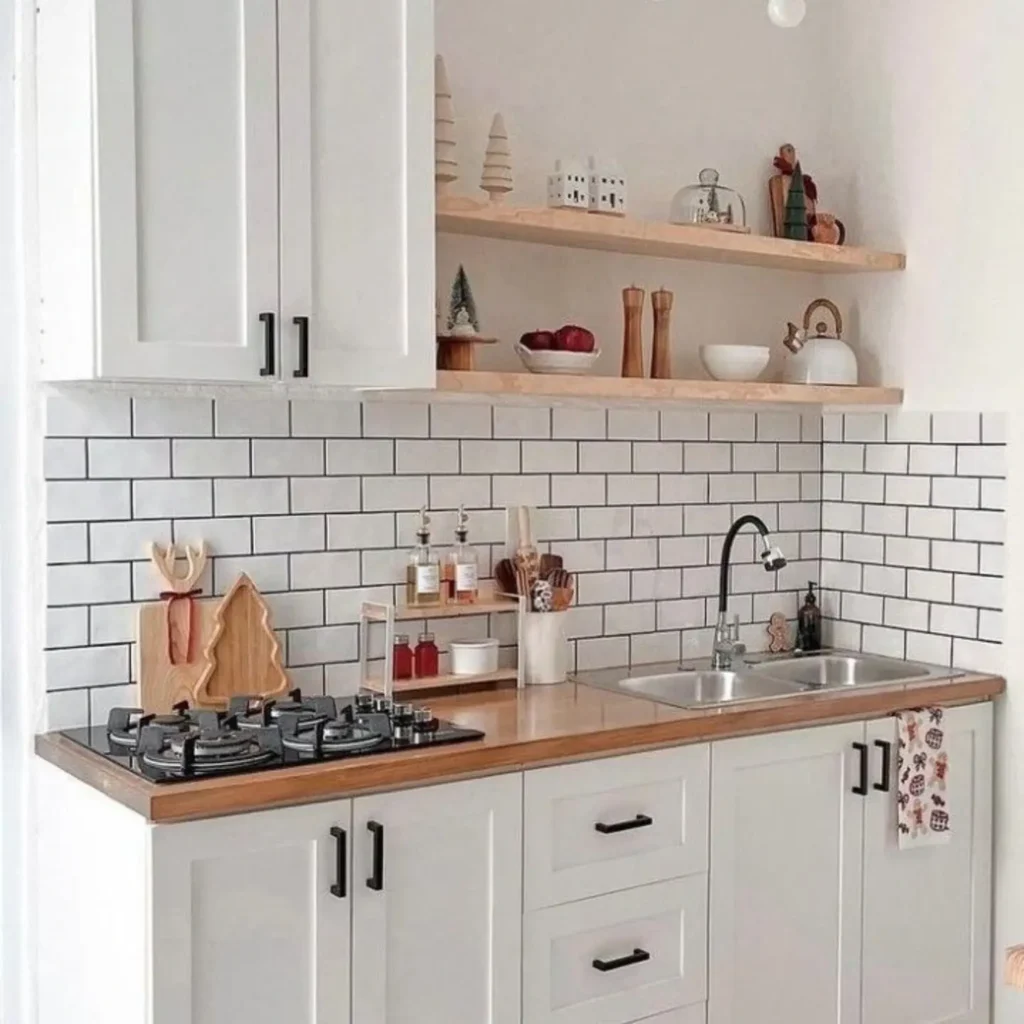
Subway tile remains a popular choice, but colored grout has given this classic option a modern refresh. The contrast created by grout lines adds pattern without introducing a new tile shape.
This approach is ideal for kitchens that want visual interest while maintaining a clean, timeless look. Colored grout can echo cabinet tones, hardware finishes, or accent colors used elsewhere in the space.
Textured Backsplashes That Add Dimension and Warmth
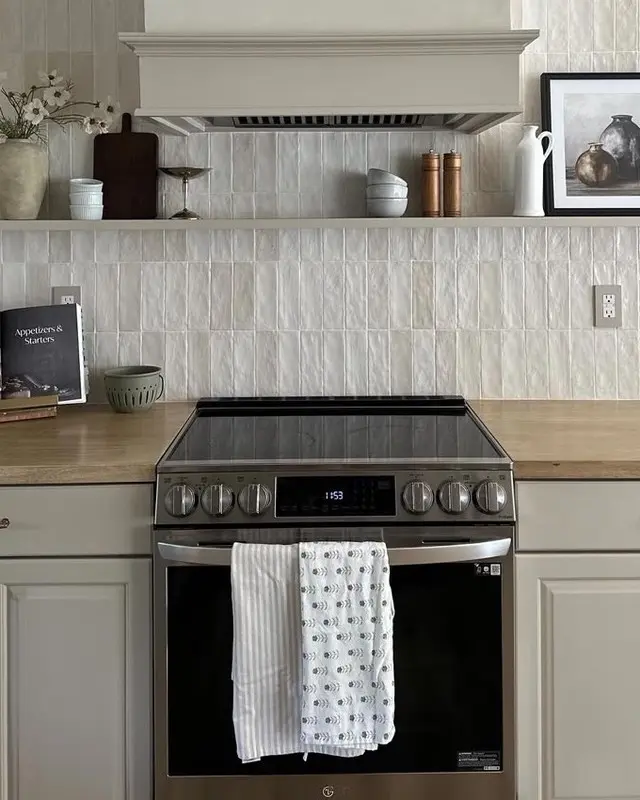
Texture introduces depth in a way that feels natural and refined. Textured tiles catch light differently throughout the day, adding movement and warmth to modern kitchens.
Whether subtle or more pronounced, texture works especially well in neutral kitchens where visual interest comes from surface variation rather than bold color. It’s a quiet way to make a backsplash feel layered and intentional.
How to Incorporate a Modern Patterned Kitchen Backsplash into Your Design
Adding a modern patterned kitchen backsplash works best when it feels intentional within the overall design of the space. Rather than choosing a pattern in isolation, consider how it will interact with cabinetry, countertops, lighting, and finishes already in place.
A thoughtful approach helps the backsplash enhance the kitchen without overwhelming it, creating a space that feels balanced and cohesive.
Choosing the Right Pattern and Material for Your Kitchen
Start by looking at the style and layout of your kitchen. Clean, streamlined kitchens often benefit from structured patterns with simple lines, while more layered spaces can handle softer or more expressive designs.
Material choice is just as important as pattern. Ceramic and porcelain tiles offer durability and ease of maintenance, while glass, stone, or metal finishes can introduce subtle variation and texture. The right combination ensures the backsplash looks beautiful and performs well in everyday use.
How to Balance Color in a Patterned Kitchen Backsplash
Color plays a major role in how a patterned backsplash is perceived. A backsplash that closely matches surrounding finishes will feel calm and integrated, while higher contrast creates a stronger focal point.
When working with bold cabinetry or countertops, a more restrained backsplash can help maintain balance. In neutral kitchens, a patterned backsplash with color variation can add warmth and interest without disrupting the overall design.
Coordinating Your Backsplash with the Rest of the Kitchen
A successful backsplash works in harmony with the rest of the kitchen rather than competing with it. Consider how patterns relate to countertop veining, cabinet door styles, and hardware finishes.
Cabinet layout and storage solutions also influence how a backsplash is perceived. When planning the overall design, considering cabinet layouts and finishes (10 Creative Ways to Optimize Your Kitchen Cabinets) can help ensure the backsplash supports both function and visual flow.
Lighting also plays a role. Under-cabinet lighting can highlight texture and pattern, while softer lighting helps keep bold designs from feeling overpowering. When these elements work together, the backsplash feels like a natural extension of the kitchen’s design.
Conclusion
A modern patterned kitchen backsplash adds more than visual interest. It brings depth, character, and intention into the heart of the home.
With the right pattern, material, and color balance, a backsplash can elevate the entire kitchen without overpowering it. Thoughtful choices allow the design to feel current while still standing the test of time.
Whether your style leans bold or understated, a patterned backsplash offers a flexible way to express personality and enhance the overall flow of your kitchen. When selected with care, it becomes a detail that quietly pulls the whole space together.
Happy designing!
Related Post:
- 5 Farmhouse Tile Designs to Transform Your Space
- Industrial Chic: Mixing Modern and Rustic for a Beautiful Kitchen
- Top 10 Timeless Mid-Century Kitchen Design Features
- How to Design a Minimalist Kitchen That’s Both Functional and Beautiful