

Adding texture to your living room is one of the easiest ways to create a space that feels warm, layered, and visually engaging.
Texture brings contrast and depth through fabrics, materials, and surfaces. It helps soften a room, balance hard lines, and make the space feel more lived-in.
From plush textiles and natural materials to textured walls and carefully chosen accessories, texture shows up in many forms. When layered with intention, these elements add visual depth without overwhelming the room.
In this guide, you’ll learn practical ways to add texture to your living room using simple design choices. The goal is to create a space that feels balanced, inviting, and full of character.
Adding Texture to Your Living Room
Why Texture Matters in Living Room Design
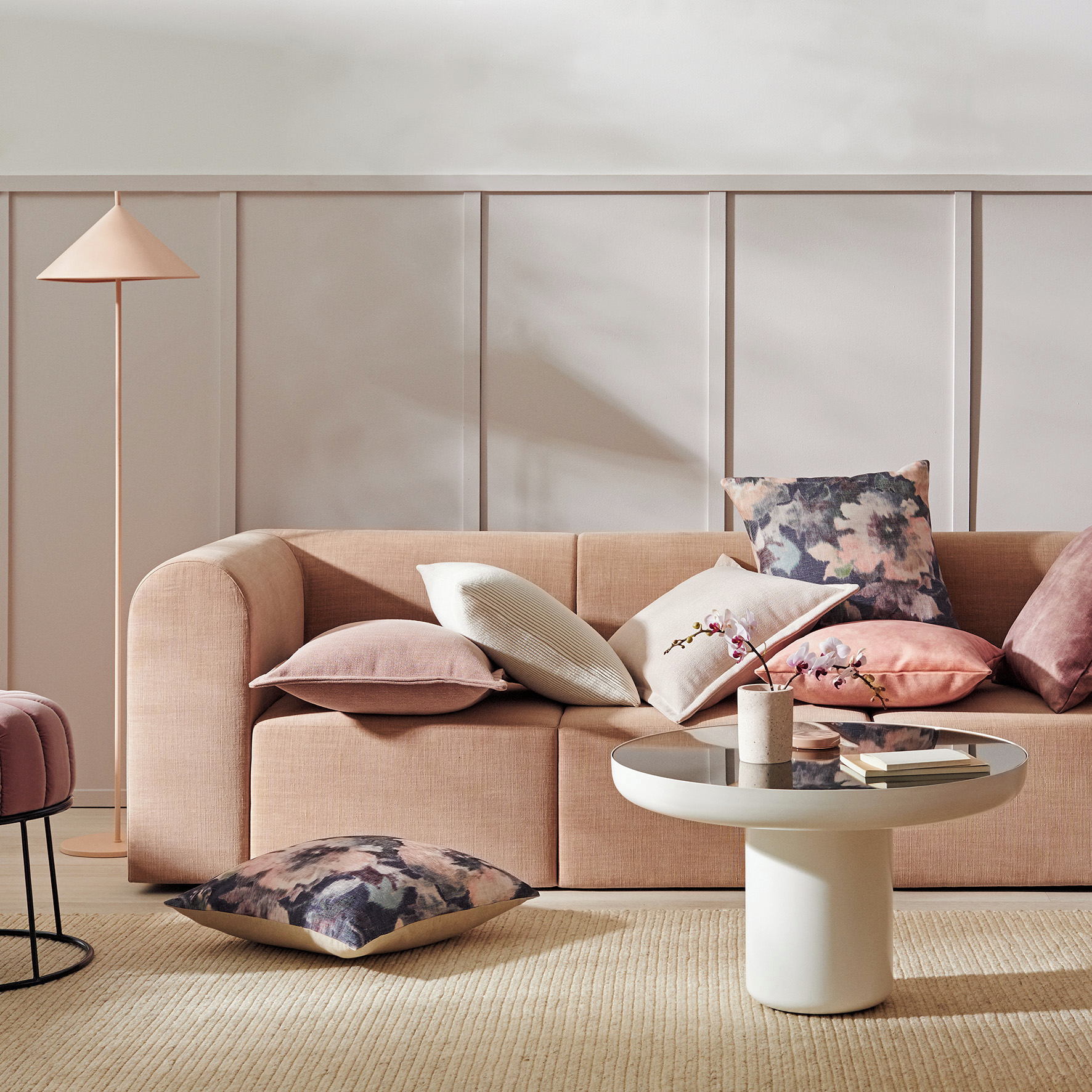
Texture refers to the surfaces and materials you see and feel throughout a space. In living room design, it plays a key role in shaping how a room looks, feels, and functions.
Adding texture to your living room helps break up flat surfaces and create natural contrast. It introduces dimension through the way light interacts with different materials, making the space feel layered rather than one-note.
Texture also brings warmth and comfort into the room. Soft fabrics, natural finishes, and tactile details invite touch and create a sense of ease that makes the living room more welcoming.
When different textures work together, they add depth without relying on bold colors or heavy patterns. The result is a space that feels balanced, visually rich, and comfortable to spend time in.
Exploring Different Textured Elements
Furniture
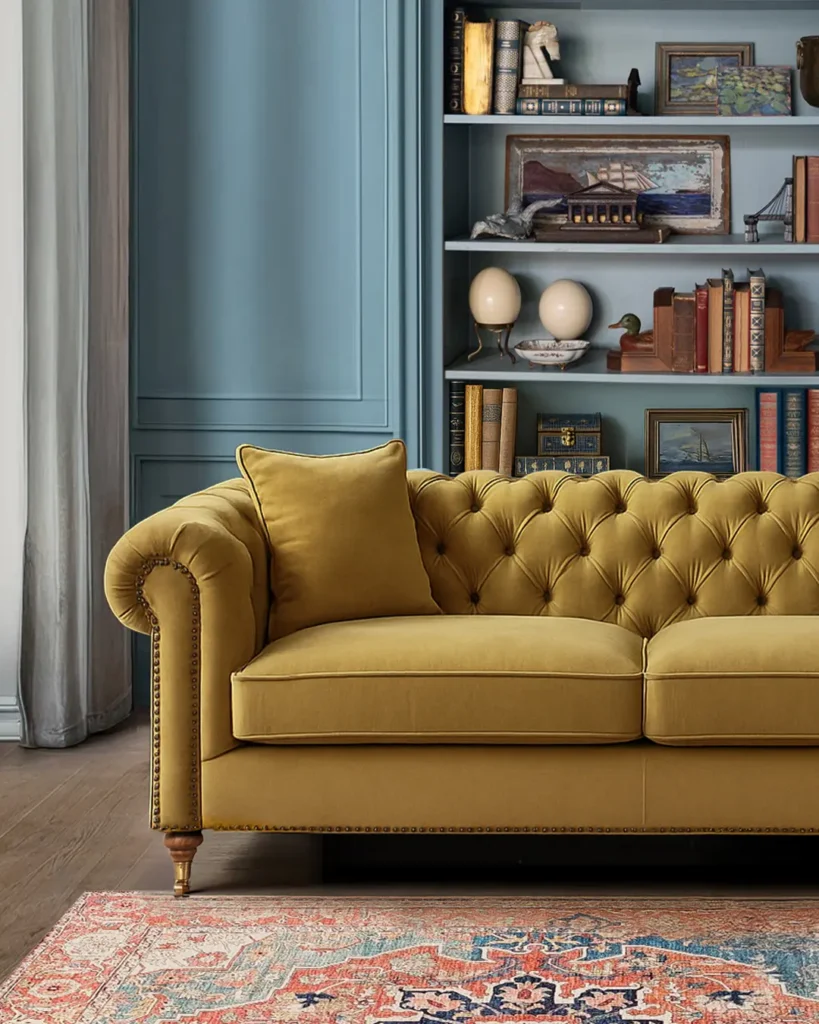
Textured upholstery can make a significant impact on your living room’s visual depth. Consider opting for furniture pieces with textured fabrics such as velvet, chenille, or leather. These materials add a luxurious and inviting feel to sofas, chairs, and ottomans. The interplay of different textures among your furniture can create a visually dynamic and enticing seating area.
Wall Treatments
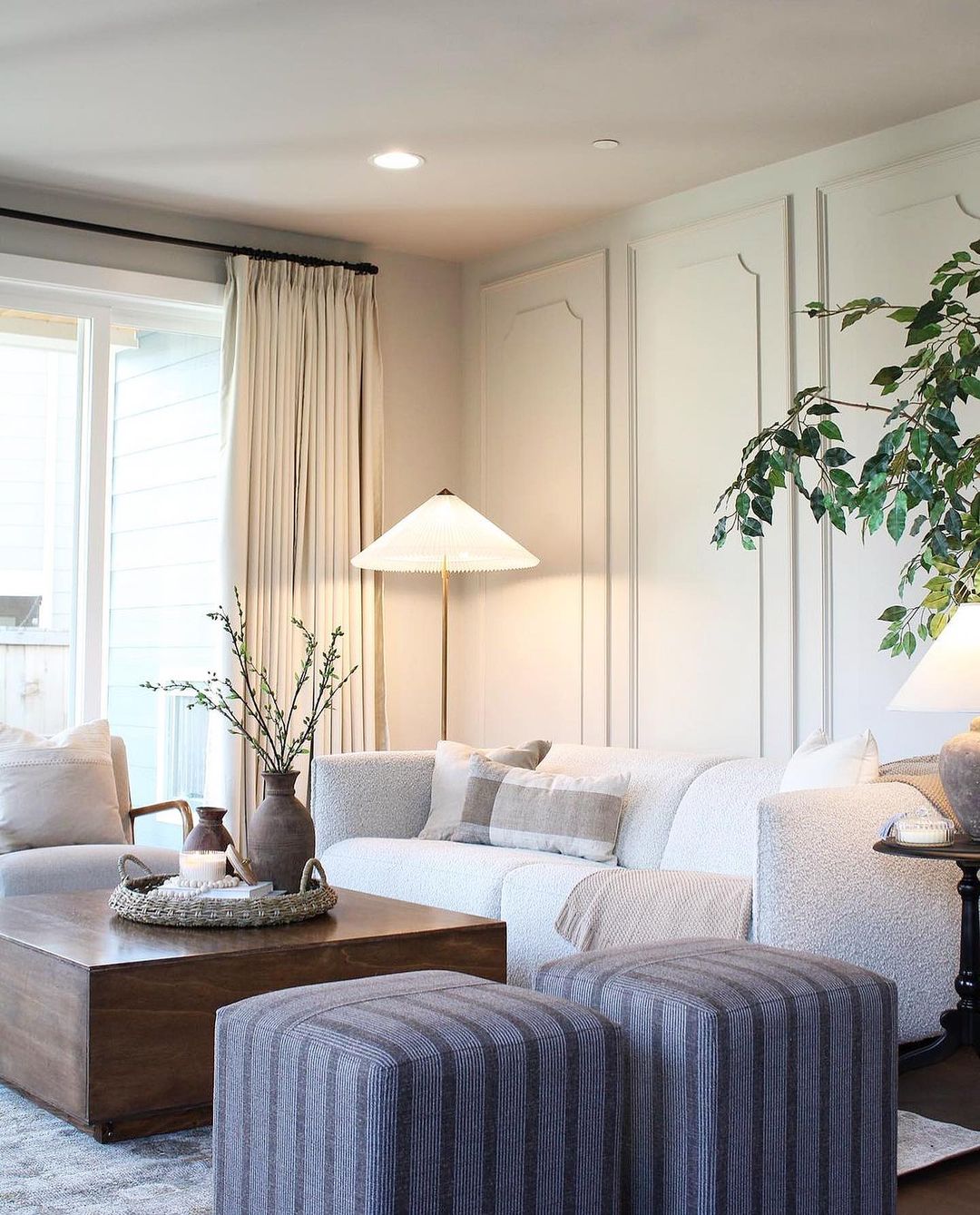
Textured wall coverings are a fantastic way to introduce depth and create focal points in your living room. Explore options such as wallpaper with raised patterns, textured paint techniques, or reclaimed wood paneling. These choices can add visual interest and transform a plain wall into an eye-catching feature. Whether you choose a bold accent wall or a subtle texture throughout the room, textured wall treatments can elevate the overall aesthetic.
Soft Furnishings
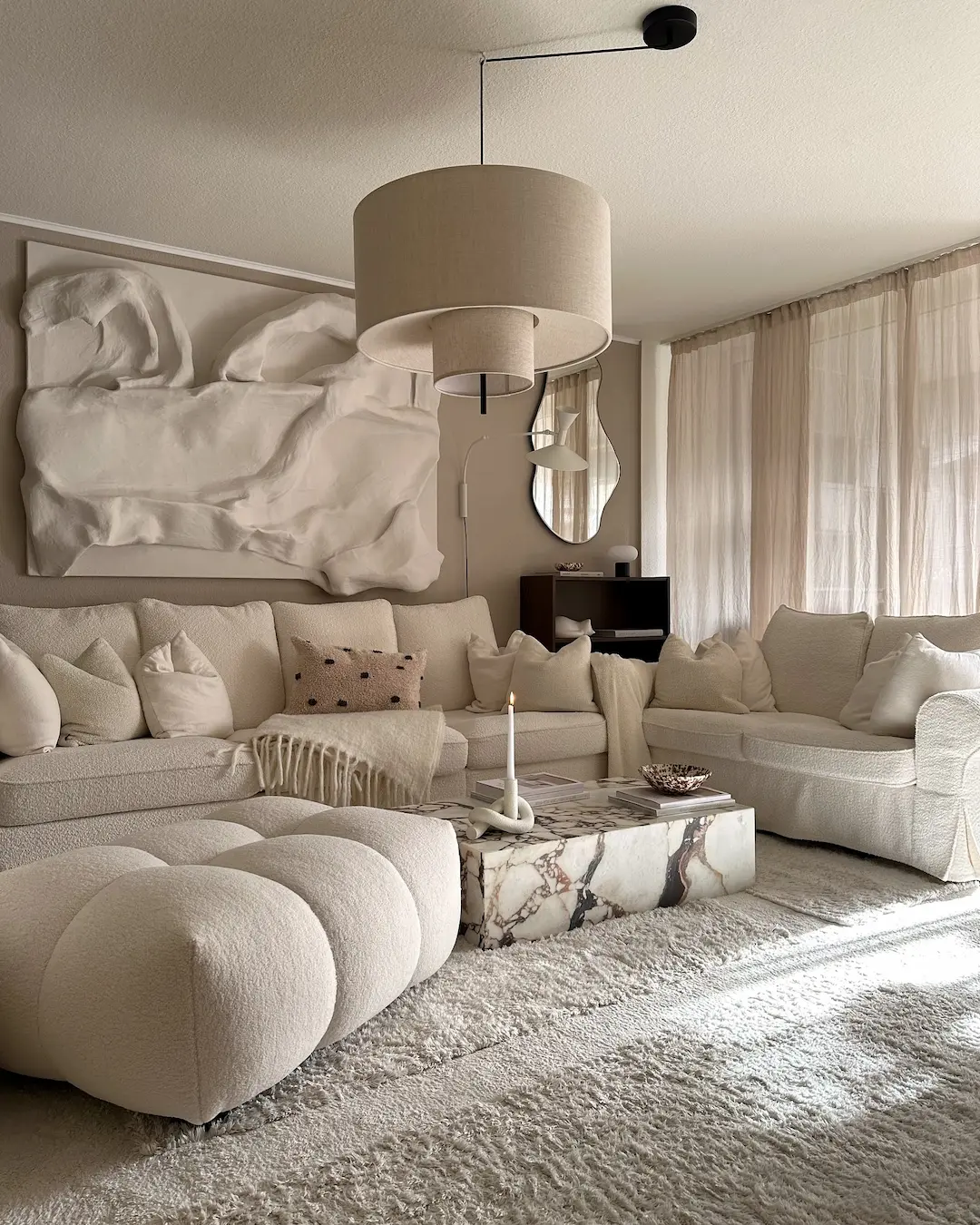
One of the easiest and most versatile ways to incorporate texture is through soft furnishings. Textured cushions, throws, and rugs can instantly add layers of depth and visual intrigue to seating areas. Experiment with different fabrics, such as faux fur, knitted textiles, or woven materials, to create a sense of coziness and comfort. These soft furnishings not only provide visual interest but also invite you to sink in and relax.
Decorative Accessories
Pay attention to the smaller details by incorporating textured decorative items throughout your living room. Consider placing woven baskets, ceramic vases, or sculptures with intricate textures on shelves, coffee tables, or mantels. These decorative accessories bring a tactile element to the room, adding visual intrigue and a touch of personality.
Lighting
Don’t forget about the role of lighting in creating texture. Textured lampshades, pendant lights, or sconces can cast beautiful patterns of light and shadow, adding another layer of visual interest. The interplay between light and textured surfaces can create a mesmerizing ambiance, enhancing the overall depth and mood of your living room.
Mixing and Balancing Textures
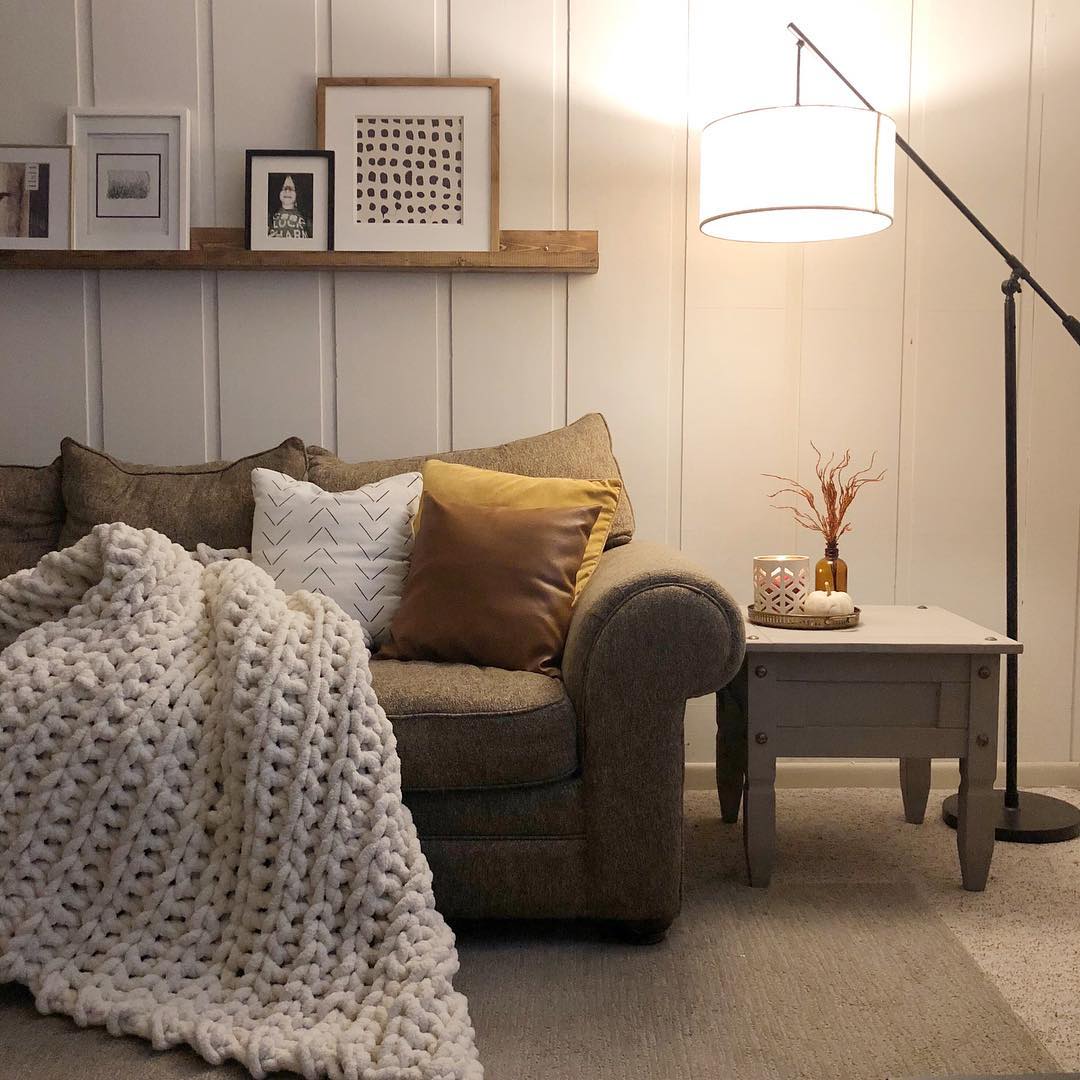
Mixing different textures in your living room is an art that requires careful consideration to achieve a cohesive and balanced look. To harmoniously blend textures, start by selecting a dominant texture that will serve as the foundation for your design.
Then, introduce complementary textures that enhance and contrast with the dominant texture.
For example, pair a plush velvet sofa with a chunky knit throw and a smooth leather ottoman. This combination creates a delightful interplay of textures, adding visual interest and depth to the space.
When mixing textures, it’s essential to consider the scale, color, and pattern of each texture. Aim for a variety of scales to create visual intrigue. For instance, pair a large-scale textured rug with smaller-scale textured cushions. Consider the color palette of the textures as well. Opt for complementary or harmonious colors to maintain a unified look.
Additionally, pay attention to patterns within the textures. Mixing patterns can add another layer of visual depth, but be mindful of balancing busy patterns with more subdued ones to avoid overwhelming the space.
Playing with Contrast and Complementing Materials
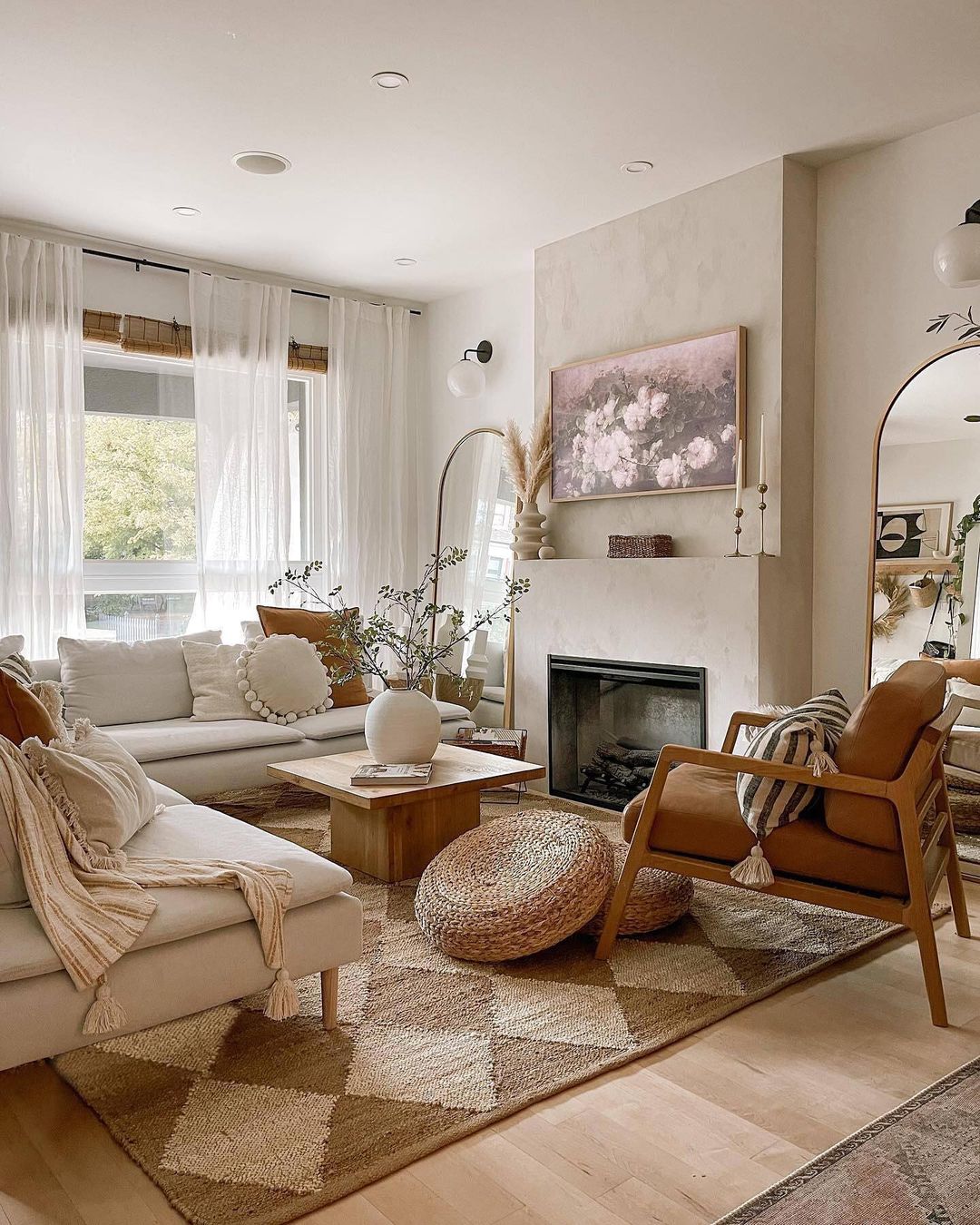
One way to create visual impact and depth is by incorporating contrasting textures into your living room. Contrast can be achieved by pairing smooth and rough materials, such as a sleek glass coffee table with a rough-textured jute rug. This juxtaposition creates a striking visual contrast that adds excitement and intrigue to the space.
Contrasting textures can create a sense of balance and harmony when used intentionally.
Another approach to enhancing the visual depth of your living room is by exploring different materials that complement various textures. Consider incorporating materials such as wood, metal, glass, or natural fibers to complement the textures you have chosen. For instance, a smooth marble tabletop can beautifully complement a soft velvet chair, creating a captivating blend of textures.
By strategically selecting materials that enhance the textures in your living room, you can elevate the overall visual depth and create a harmonious and inviting space.
Creating a Textural Color Palette
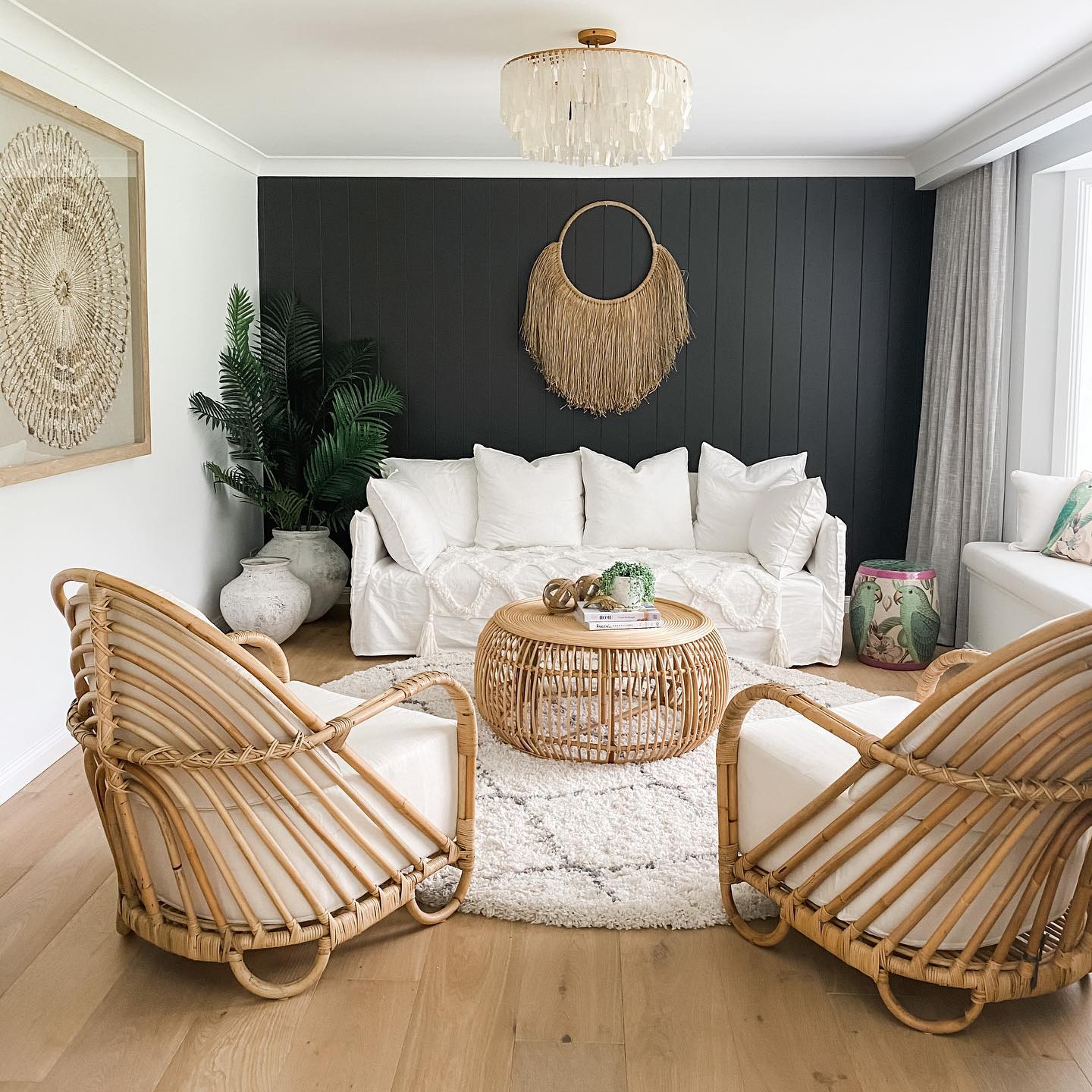
Combining textures with a well-thought-out color palette can amplify the visual depth of your living room. When selecting colors, consider how they interact with the chosen textures and the overall desired ambiance. For a cohesive look, opt for colors that complement the textures and evoke the desired mood.
For example, pair earthy tones like warm browns and creamy whites with natural textures like woven rattan or distressed wood for a cozy and organic feel.
Experiment with contrasting or monochromatic color schemes to enhance the impact of the textures in your space.
To achieve a harmonious and balanced color palette, keep in mind the undertones and intensity of the colors. Cool-toned colors, such as blues and greens, can complement cool textures like sleek metals or smooth glass, while warm-toned colors, like reds and oranges, can enhance the richness of textured fabrics like velvet or faux fur.
Consider using color swatches or online resources to visualize how different colors interact with your chosen textures before making final decisions.
By carefully curating a textural color palette, you can create a visually captivating living room that feels harmonious and inviting.
Practical Tips for Adding Texture
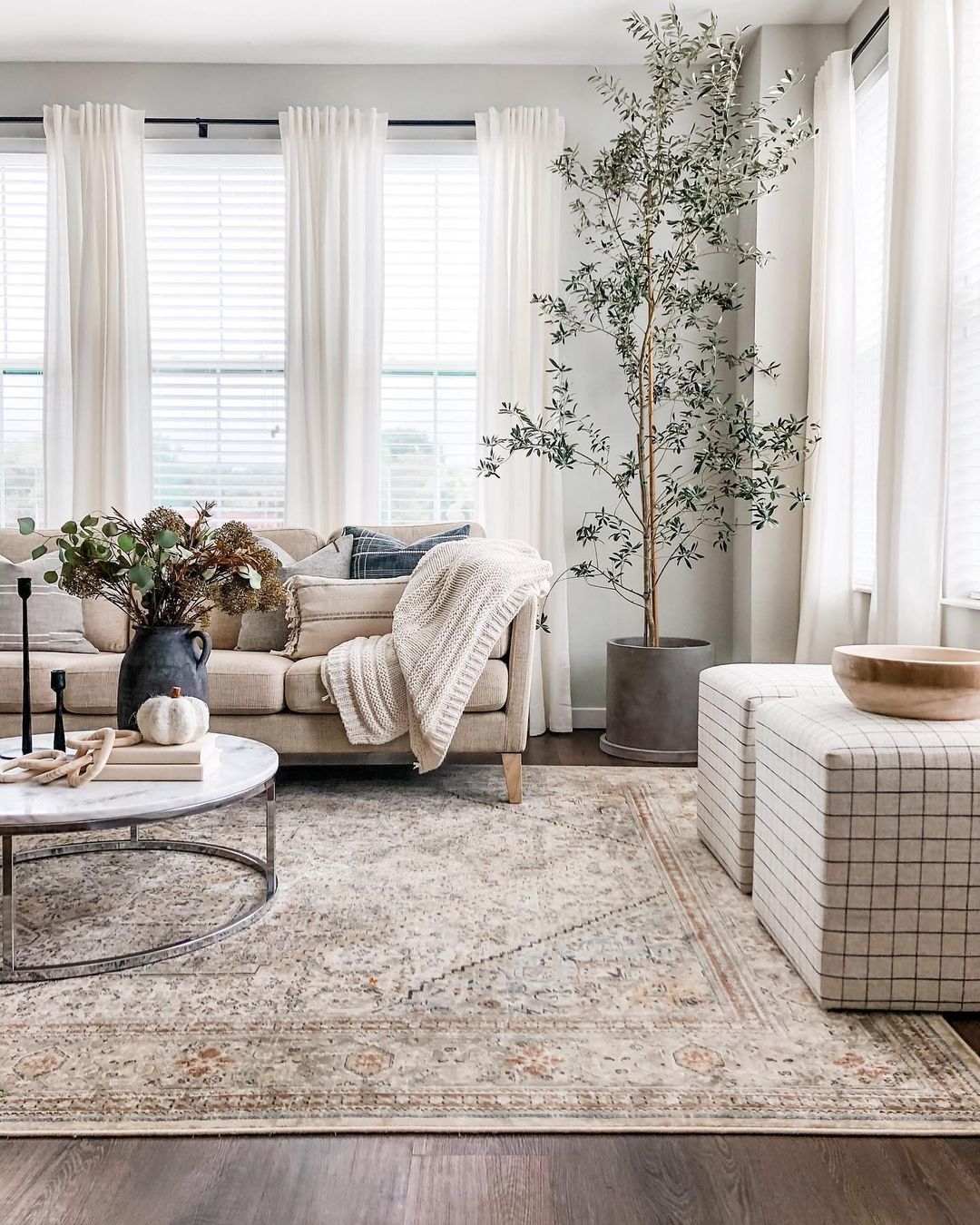
Incorporating texture into your living room doesn’t have to break the bank. There are plenty of affordable and DIY options to add textural elements to your space. Consider creating a textured accent wall using paint techniques like sponge painting, stenciling, or applying a textured wallpaper.
These techniques can add depth and character to a focal wall without requiring extensive resources. Additionally, repurposing fabric remnants into textured cushions or pillow covers can bring a unique and personalized touch to your seating area.
When seeking textured items for your living room, explore a range of options.
Local stores often carry a variety of textured decor, including woven baskets, textured ceramics, or handcrafted items that can add character to your space. Online retailers provide a vast selection of textured furnishings and accessories, making it easy to find specific textures to suit your style. Thrift shops and secondhand stores can also be treasure troves for unique and textured finds at budget-friendly prices.
Don’t underestimate the potential of these resources in helping you discover hidden gems that contribute to the textural magic in your living room.
Conclusion
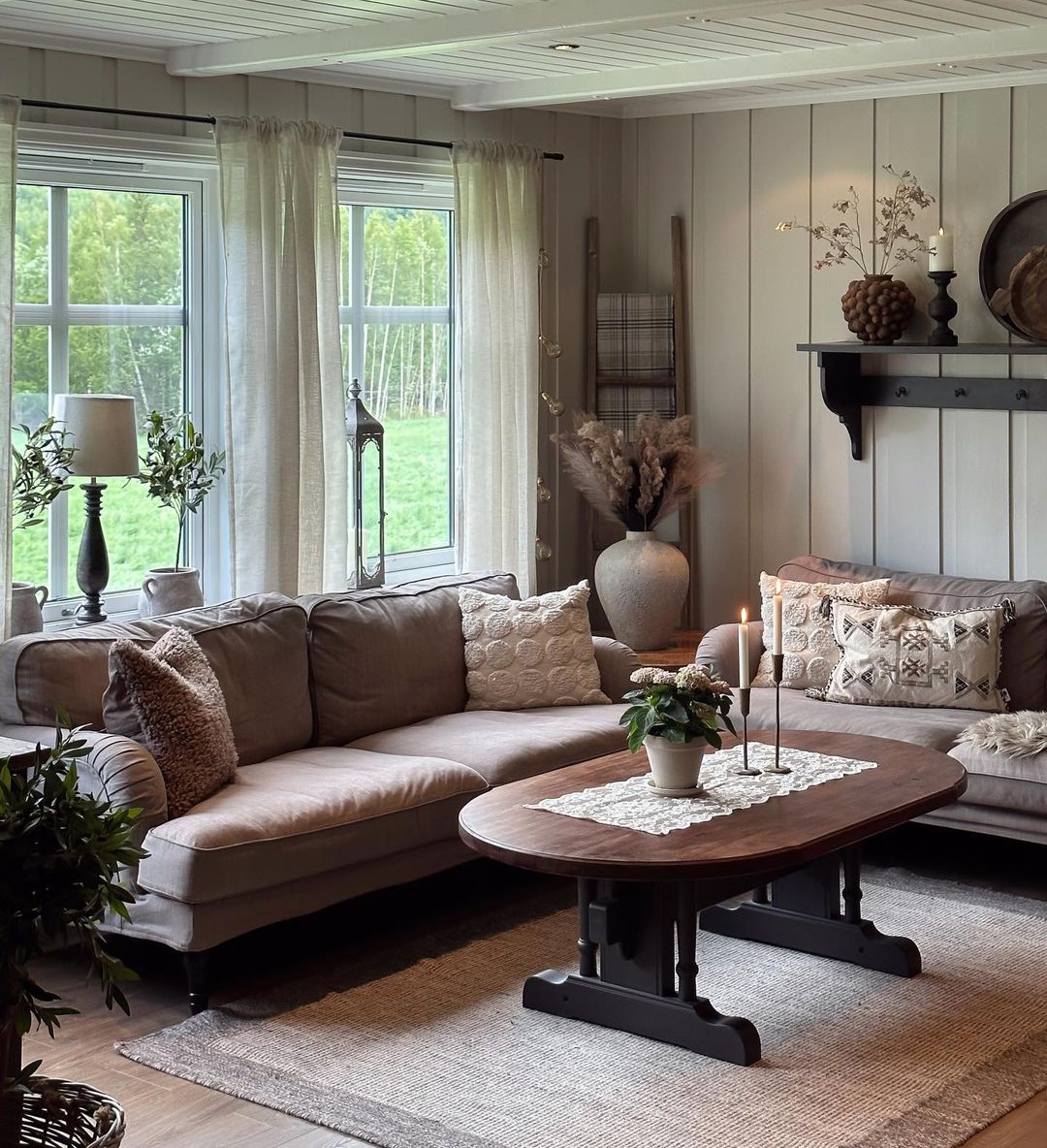
Adding texture to your living room is one of the simplest ways to create a space that feels warm, layered, and visually interesting. Through materials, fabrics, and finishes, texture adds depth without relying on bold colors or heavy patterns.
By balancing different textures and playing with contrast, you can shape a living room that feels comfortable and thoughtfully styled. Small, intentional choices often make the biggest impact.
When used with care, texture brings a sense of ease and livability to your living room, creating a space that feels inviting and grounded every day.
Happy styling with texture!
Save this pin for inspiring your next living room with texture styling session!

Related Posts:
- Earthy and Textured Decor: How to Style Your Home with Rattan Decor
- Textural Eclecticism: How to Embrace Texture in Bohemian Style
- Mixing and Matching Textures, Colors, and Patterns with Boho Decor