

Spring backyard ideas often begin with a feeling before they begin with a plan. It’s that first warm afternoon when the light lingers a little longer and you suddenly see your outdoor space differently. The layout. The empty corners. The spots that could become something more.
A spring backyard refresh doesn’t require tearing everything out. It begins with creating meaningful moments. A focal point that anchors the space. A garden path that gently guides movement. A fire pit that becomes the natural gathering place once the sun dips. Maybe it’s the sound of a small water feature, the softness of outdoor curtains catching the breeze, or layered lighting that turns your backyard into an evening retreat.
In this post, you’ll find spring backyard ideas that focus on structure, atmosphere, and comfort. From updating outdoor furniture to incorporating garden art and thoughtful lighting, each idea is designed to help you shape a backyard that feels welcoming and truly yours this season.
Spring Backyard Ideas
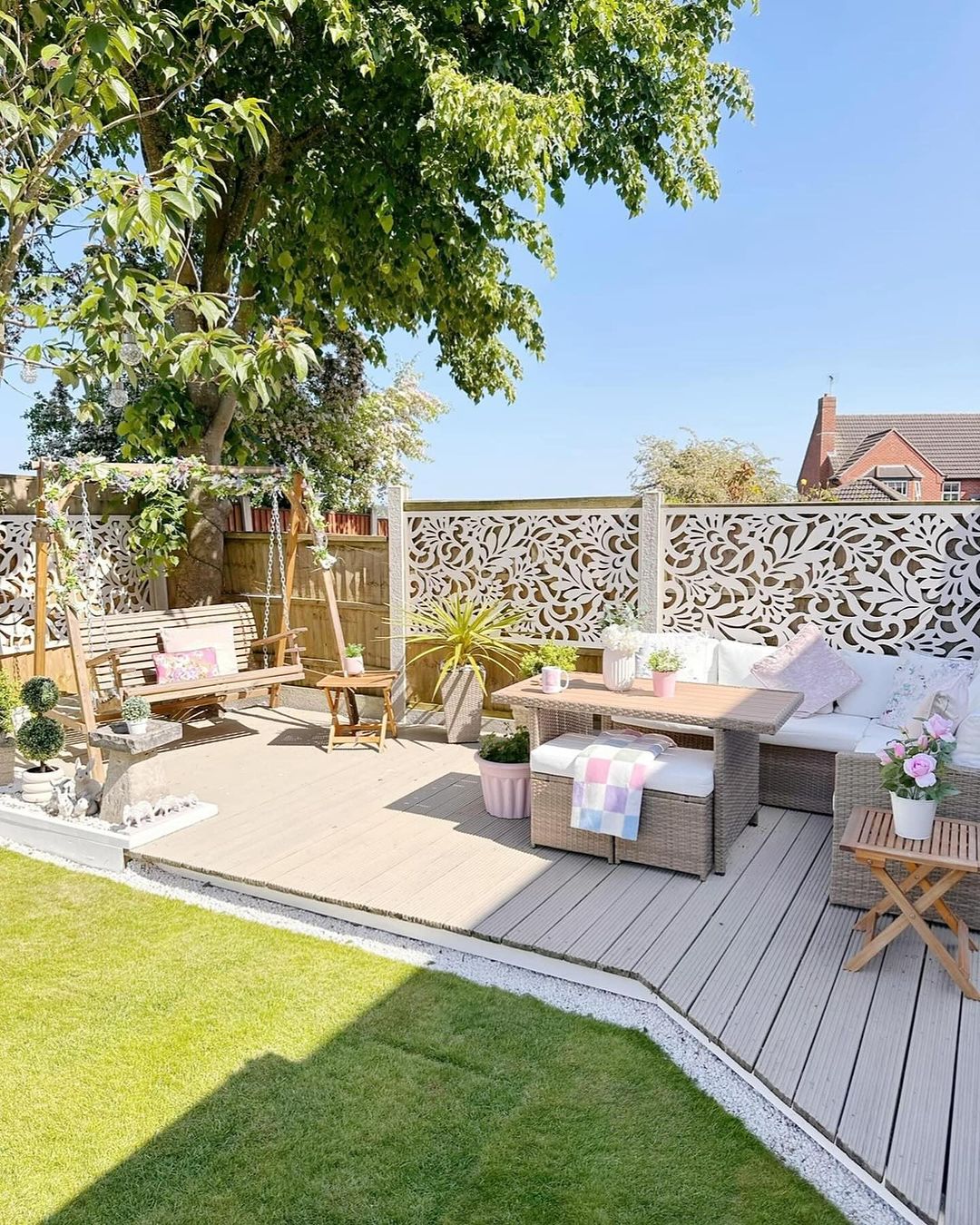
Defining Your Outdoor Style
Before choosing plants or paint colors, pause for a moment and consider how you want your backyard to feel. Not just how it should look, but how it should function in your everyday life.
Is it a quiet retreat at the end of a long day? A layered garden filled with texture and movement? A welcoming setting designed for conversation and late evenings outdoors?
Defining your outdoor style brings clarity to every decision that follows. It shapes the focal point, guides material choices, and ensures each addition feels connected rather than random. When your backyard reflects both your personality and how you actually live, the space begins to feel cohesive, intentional, and truly yours.
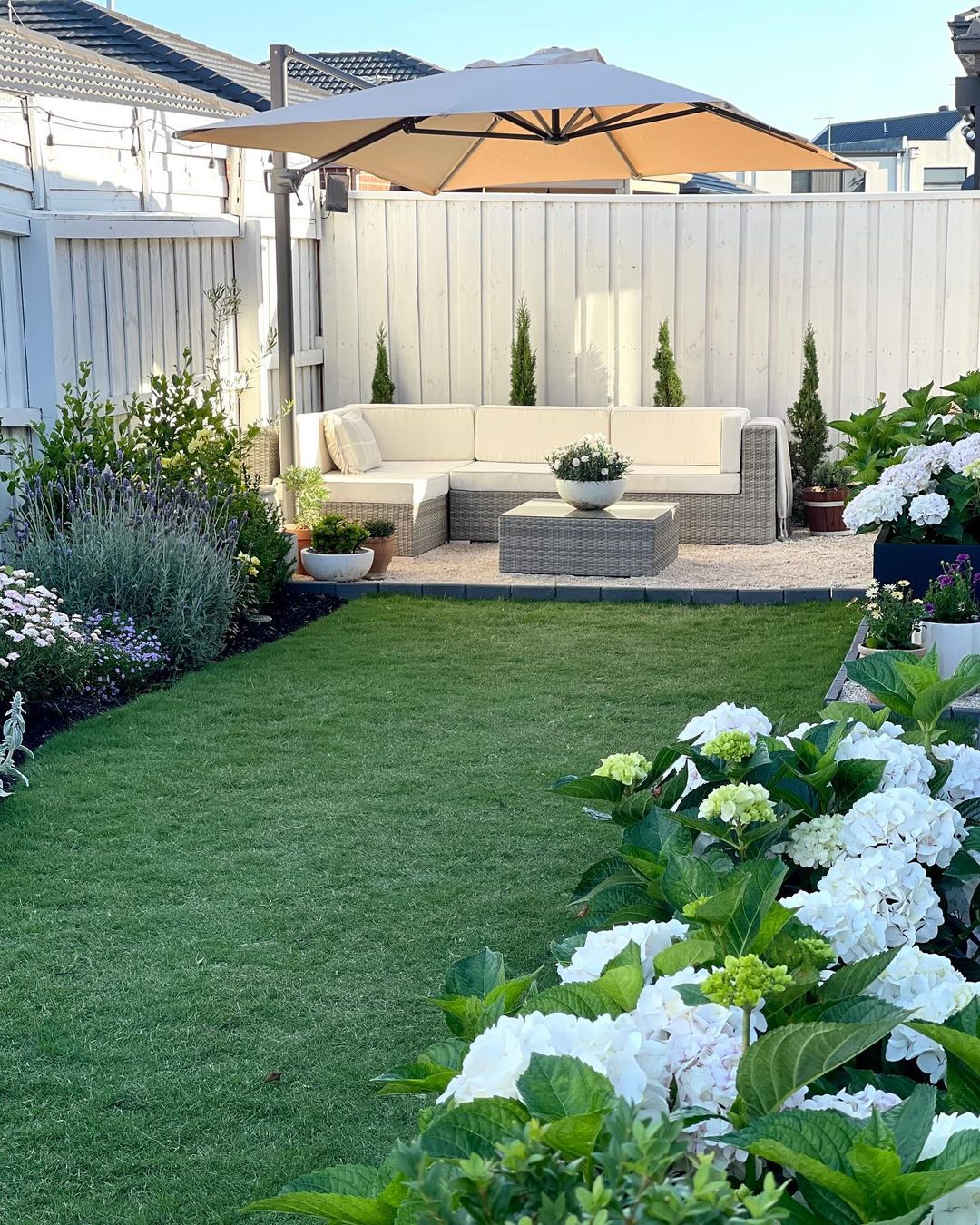
Tips for Uncovering Your Style and Needs
- Reflect on Your Lifestyle: Consider how you and your family use the backyard. Are you more likely to host large gatherings, or do you prefer quiet evenings surrounded by nature?
- Create a Mood Board: Gather images that inspire you, whether from magazines, online resources, or your own photos. Look for patterns in the colors, textures, and layouts that draw your attention.
- Think About the Atmosphere: What feeling do you want to evoke in your backyard? Calm and serene, lively and energetic, or something in between? The atmosphere should guide your choices in decor and design.
Aligning Decor, Plants, and Layout with Your Vision
Once your vision feels clear, every choice becomes more intuitive. Decor, plant selection, and layout begin to support one another rather than compete for attention.
A calming backyard garden might lean into soft lighting, gentle water features, and a palette of muted greens and cool tones. A more vibrant space may unfold through layered blooms that shift with the seasons, creating movement and color throughout the year.
If gatherings are at the heart of your plans, the layout should encourage connection. Comfortable seating arranged with intention, clear pathways, and defined areas for dining or cooking allow the space to flow naturally.
When decor, plants, and structure align with your vision, the backyard feels cohesive rather than assembled. Every element works together to create an outdoor space that feels purposeful and complete.
Colorful Beginnings with Blooms
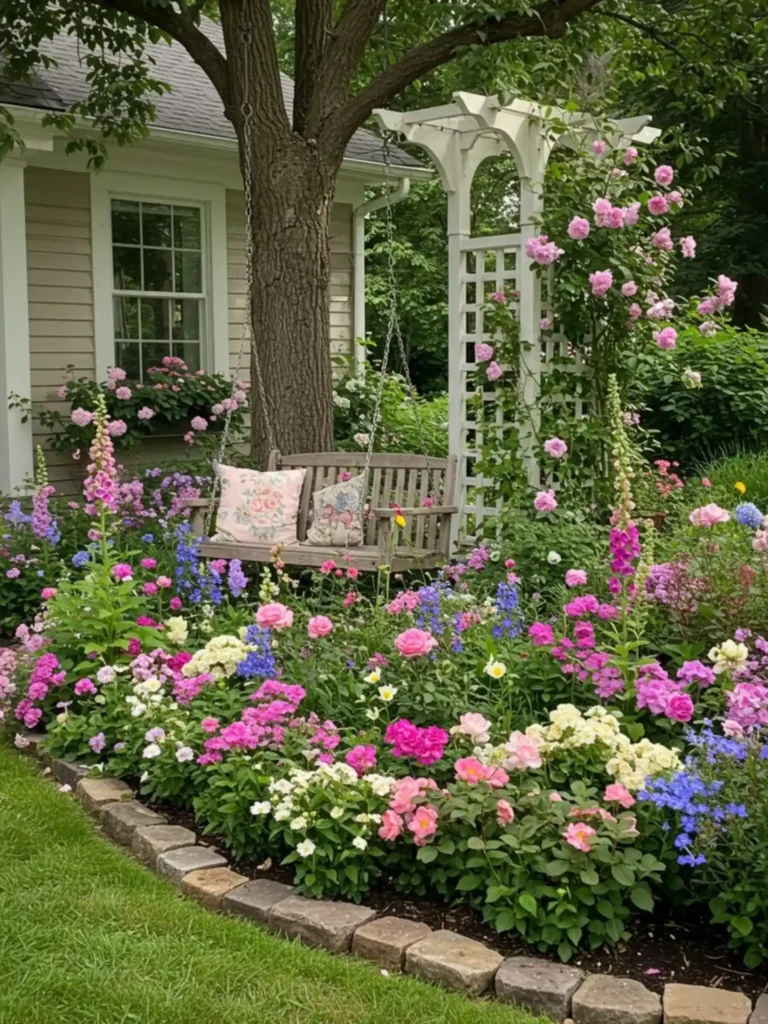
Spring is synonymous with renewal and rebirth, and what better way to embrace this than by adding a burst of color to your backyard?
Incorporating seasonal flowers can transform your outdoor space into a vibrant canvas, alive with colors and textures.
Let’s explore how to brighten your backyard with the lively hues of spring blooms.
Guide to Selecting Spring Flowers
Choosing the right flowers for your backyard doesn’t have to be daunting. Focus on varieties that thrive in your climate and match your garden’s sun exposure.
For a spring refresh that begins as soon as the snow melts, consider early bloomers like tulips, daffodils, and pansies. These flowers come in a wide range of colors, ensuring that you can find the perfect shades to complement your outdoor style.
Planting Ideas for an Instant Uplift
- Garden Beds: Create a tapestry of color by planting bulbs in your garden beds. Arrange them in clusters or patterns for visual impact. Mixing heights and colors can add depth and interest to your garden.
- Containers: If space is limited or you’re looking for flexibility, containers are a great option. They can be moved to highlight different areas of your backyard or to chase the sun. Plus, containers allow for creative combinations of plants and colors.
- Hanging Baskets: Elevate your spring refresh with hanging baskets. They can add a new dimension to your space, drawing the eye upward and incorporating vertical interest.
Caring for Your Spring Blooms
To ensure your flowers thrive, follow these basic care tips:
- Watering: Ensure the soil remains evenly moist, avoiding over-saturation. Early morning watering is best, as it allows the water to reach the roots before the heat of the day.
- Feeding: A balanced, slow-release fertilizer can provide your plants with the nutrients they need to grow strong and bloom abundantly.
- Deadheading: Regularly removing spent flowers will encourage plants to produce more blooms and extend the flowering period.
Creating a Focal Point
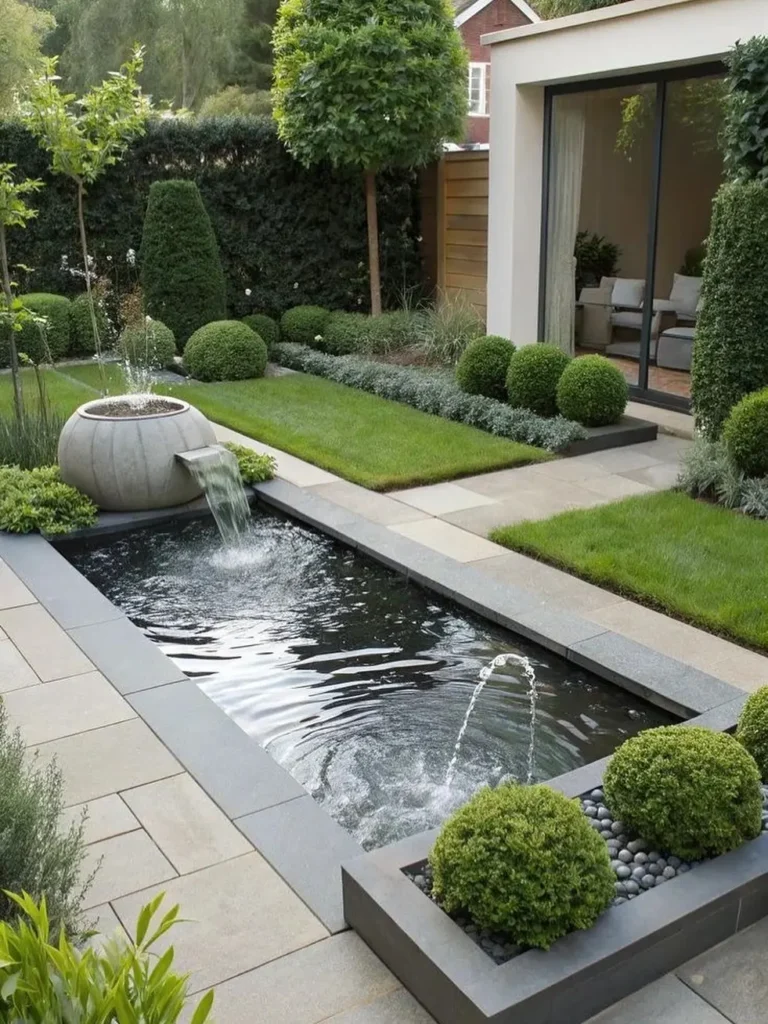
A well-chosen focal point not only anchors your outdoor space but also draws the eye, adding intrigue and structure to your backyard design. Whether it’s a striking piece of garden art, a serene water feature, or a cozy fire pit, selecting a focal point that reflects your personal style and complements the overall aesthetic of your outdoor space is crucial.
Here’s how you can create a captivating focal point for your spring backyard refresh.
Choosing Your Focal Point
The first step in creating a focal point is to consider what you’re most drawn to and what fits your backyard’s theme or style.
Here are some ideas:
- Garden Art: A unique sculpture or a striking piece of garden art can serve as an excellent focal point, especially in floral or minimalist gardens.
- Water Features: From a small fountain to a full-scale pond, water features add movement and tranquility, drawing the eye and soothing the soul.
- Fire Pits: Perfect for cooler spring evenings, a fire pit can become a gathering spot, providing warmth and ambiance.
Incorporating Your Focal Point into Your Backyard
Once you’ve selected your focal point, positioning it effectively within your space is key.
Here are some tips to ensure it stands out:
- Visibility: Place your focal point where it can be easily seen from your home or the main seating area in your backyard. It should draw guests into your space.
- Access: Create a clear path to your focal point, using stepping stones, gravel, or a formal walkway. This not only adds to the design but also invites closer inspection and enjoyment.
- Lighting: Consider adding lighting to highlight your focal point after dark. Well-placed lights can accentuate its features and ensure it remains a centerpiece even in the evening.
Complementing Your Focal Point
Surround your focal point with complementary elements that don’t compete for attention but enhance its beauty. Soft landscaping, such as low-growing flowers or ground cover, can frame a sculpture or fire pit without overshadowing it. For water features, consider planting moisture-loving plants around the perimeter for a natural, cohesive look.
Set Up a Garden Path
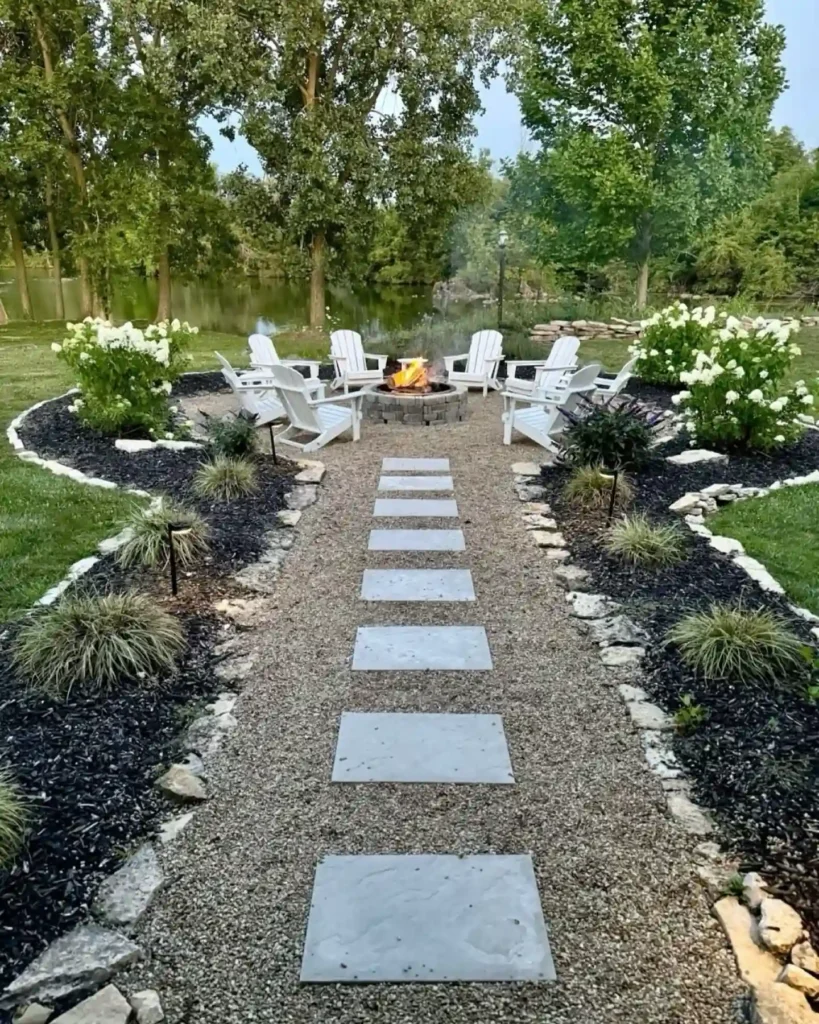
A well-designed garden path not only serves a practical purpose, guiding visitors through different areas of your backyard, but it also adds aesthetic value, creating a sense of discovery and charm.
Here’s how you can design a garden path that complements your spring backyard refresh.
Choosing Materials for Your Path
The material you choose for your garden path can significantly impact the look and feel of your backyard.
Consider these options:
- Stepping Stones: For a natural, earthy look, stepping stones offer a simple and effective path solution. They can be spaced evenly or placed irregularly for a more whimsical feel.
- Gravel: Gravel paths are easy to install and provide a casual, crunchy sound underfoot. They suit both structured and casual garden layouts.
- Wood Planks: For a modern, clean look, consider using wood planks. They can be laid in straight lines or patterns, depending on your backyard’s design.
Designing Your Path
When planning your garden path, think about the journey you want to create. A straight path suggests a direct route, while a winding path offers a more leisurely, exploratory experience.
Here are some design tips:
- Curves and Interest: Incorporate curves to add interest and encourage visitors to slow down and enjoy their surroundings.
- Width: Ensure your path is wide enough for two people to walk side by side comfortably, especially if it’s a main thoroughfare.
- Borders: Define the edges of your path with borders, such as low hedges, edging stones, or even contrasting materials, to keep it distinct from the surrounding landscape.
Integrating Your Path into the Landscape
Your garden path should feel like a natural extension of your backyard. Here’s how to achieve harmony:
- Plantings Along the Path: Soften the edges of your path with plantings. Flowering ground covers or low-growing shrubs can add color and texture.
- Points of Interest: Consider placing focal points along your path, such as a bench, a sculpture, or a unique plant, to create inviting stops along the way.
- Lighting: Adding lights along your path can enhance its beauty at night and ensure safety. Solar-powered lights or low-voltage landscape lighting are great options.
Incorporate Water Features
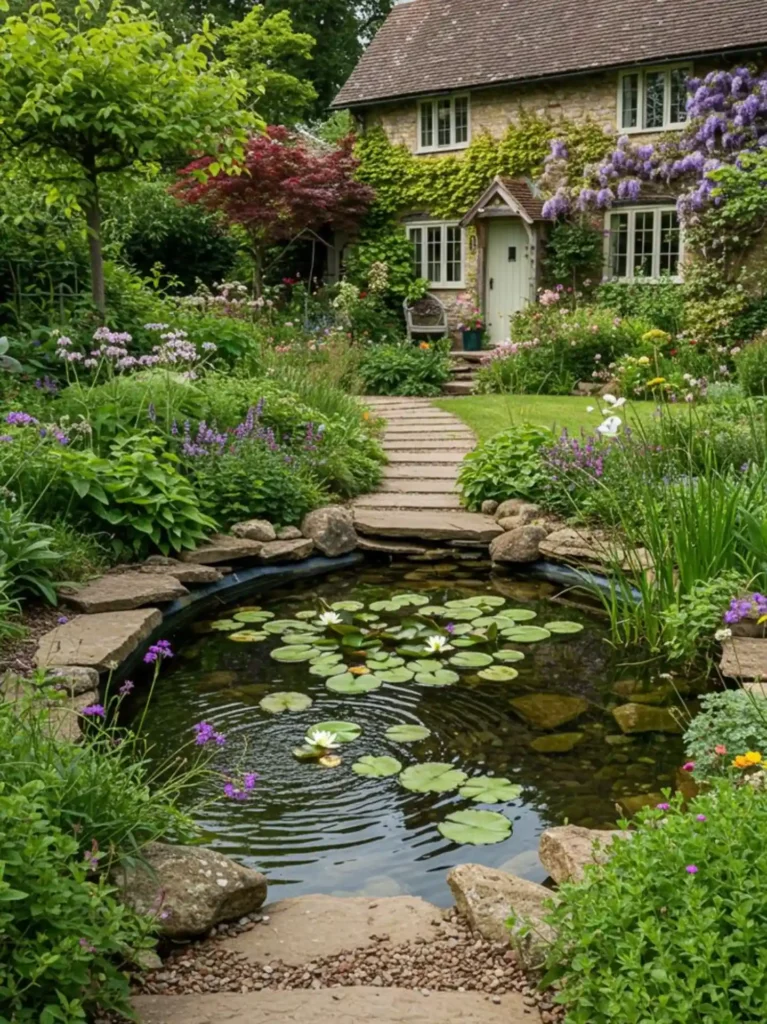
The soothing sound of water can turn your backyard into a peaceful retreat, where stress fades away, and relaxation takes center stage. Whether it’s a modest birdbath or an elaborate pond, water features can play a central role in creating a serene backyard environment.
Here’s how you can incorporate water features into your spring backyard refresh.
Selecting the Right Water Feature
The choice of water feature depends on your backyard’s size, style, and your personal preferences.
Consider these options:
- Fountains: Available in various sizes and styles, fountains are versatile water features that can fit almost any backyard setting. They serve as striking focal points while adding the soothing sound of trickling water.
- Bird Baths: If space is limited or you’re looking for a simple addition, bird baths can attract wildlife, adding a lively aspect to your garden.
- Ponds: For a more natural and immersive experience, consider installing a pond. Ponds can be customized to fit your space and can even host fish and aquatic plants.
Integrating Water Features into Your Backyard
Once you’ve selected a water feature, positioning it thoughtfully within your backyard is crucial.
Here are some integration tips:
- Visibility: Place your water feature where it can be easily seen and enjoyed from your main outdoor living area or inside your home.
- Accessibility: Ensure there’s a clear path to your water feature, making it a destination within your backyard.
- Complementary Plantings: Surround your water feature with plantings that enhance its natural beauty. For ponds, consider water lilies or marsh marigolds. For fountains, use ornamental grasses or ferns for a soft backdrop.
Maintenance Tips for Water Features
To keep your water feature looking and functioning its best, follow these maintenance guidelines:
- Regular Cleaning: Remove leaves and debris to prevent clogging and maintain water clarity. For ponds, consider a filtration system to keep the water clean.
- Water Levels: Check water levels regularly, especially during hot weather, and add water as needed to compensate for evaporation.
- Winter Care: In colder climates, take steps to protect your water feature during winter. This may include draining fountains or installing a pond heater to prevent freezing.
Add a Fire Pit
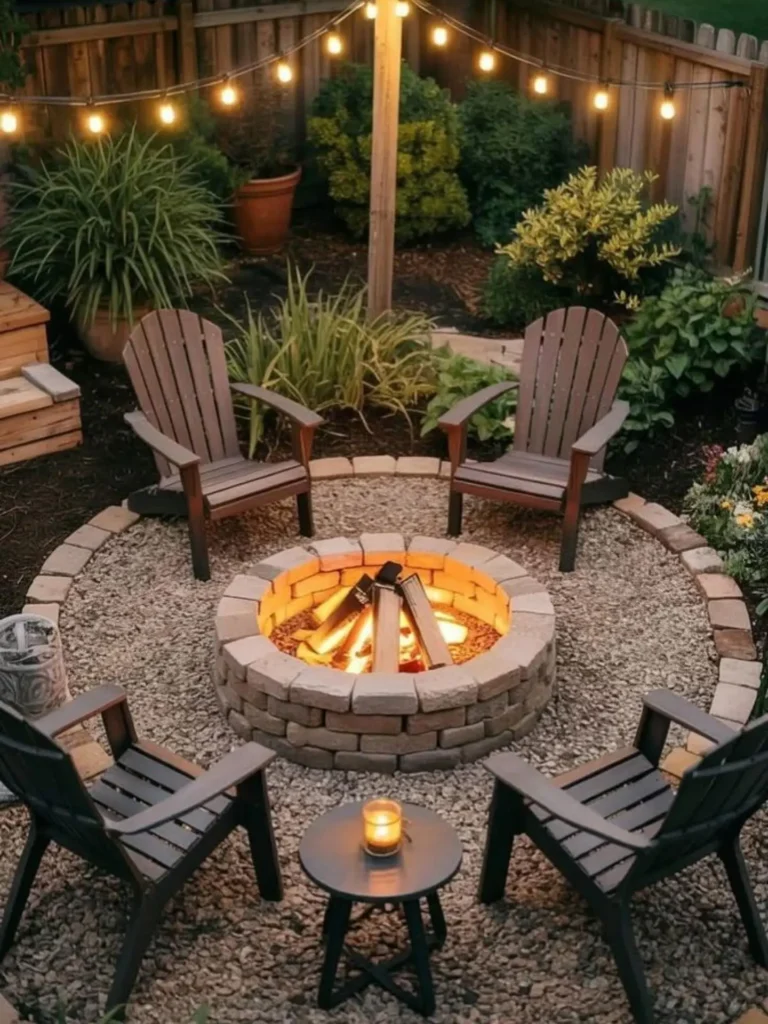
As the sun sets and the temperature drops, a fire pit becomes the heart of the backyard, drawing family and friends together with its warm glow and inviting ambiance. Whether you’re toasting marshmallows, sharing stories, or simply soaking up the warmth, a fire pit can enhance your outdoor living experience well into the evening. Here’s how to incorporate this cozy feature into your spring backyard refresh.
Choosing the Right Fire Pit
The best fire pit for your backyard depends on your space, style, and usage preferences. Consider these options:
- Portable Fire Pits: Ideal for small spaces or those who prefer flexibility, portable fire pits can move wherever the party goes.
- Built-in Fire Pits: A permanent fixture that can be customized to match your backyard decor, offering a more cohesive look.
- Fire Pit Tables: Combining the functionality of a table with the warmth of a fire pit, these are perfect for entertaining and dining outdoors.
Creating an Inviting Fire Pit Area
Once you’ve selected your fire pit, setting up a welcoming area around it is key to maximizing its enjoyment. Here are some tips:
- Seating: Arrange comfortable seating in a circle or semi-circle around the fire pit, encouraging conversation and relaxation.
- Safety First: Ensure your fire pit is placed on a non-flammable surface and at a safe distance from any structures or overhanging trees.
- Ambiance: Enhance the cozy atmosphere with outdoor blankets, soft lighting, and perhaps some background music to complement the crackling of the fire.
Enjoying Your Fire Pit Safely
To safely enjoy your fire pit, keep these precautions in mind:
- Check Local Regulations: Before lighting your first fire, ensure you comply with local fire safety regulations and guidelines.
- Supervision: Never leave the fire pit unattended while in use. Have a water bucket or fire extinguisher on hand for quick emergency response.
- Cleanliness: Regularly remove ash and debris from the fire pit to maintain air flow and prevent any unwanted fire hazards.
Use Outdoor Curtains
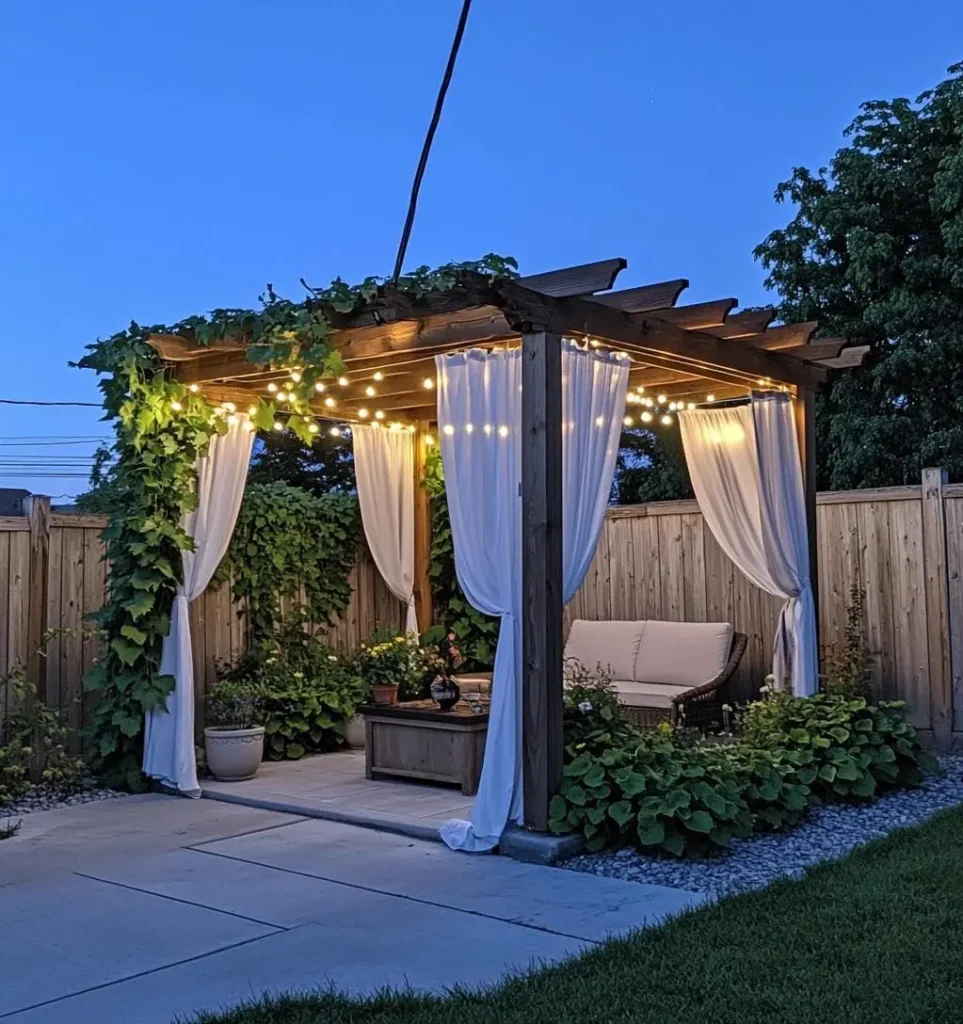
Outdoor curtains are a versatile addition to any backyard, blending functionality with aesthetics. They can transform a simple pergola or patio area into an elegant, secluded retreat, where you can enjoy the outdoors in privacy and comfort. Here’s how to incorporate outdoor curtains into your backyard design effectively.
Selecting the Right Curtains
When choosing outdoor curtains, consider these factors:
- Material: Look for durable, weather-resistant fabrics that can withstand sun exposure, rain, and wind. Synthetic fabrics like polyester or outdoor-specific materials are ideal.
- Style: Choose curtains that complement your outdoor decor. They can be bold and colorful to add a vibrant touch or neutral to blend seamlessly with the surroundings.
- Functionality: Decide if you need curtains for privacy, shade, or both. Sheer curtains can create a soft, romantic look while still letting light in, whereas opaque curtains offer more privacy and sun protection.
Installing Outdoor Curtains
To ensure your outdoor curtains hang beautifully and function as intended, follow these tips:
- Hardware: Use sturdy, weather-resistant rods and fixtures designed for outdoor use. Ensure they’re securely mounted to withstand wind.
- Placement: Consider the sun’s path and your privacy needs when deciding where to hang curtains. They can enclose a pergola, frame a patio, or even define a new outdoor room.
- Maintenance: Choose curtains that are easy to remove and clean. Regular maintenance will keep them looking fresh and extend their lifespan.
Enhancing Your Space with Curtains
Outdoor curtains not only provide practical benefits but also offer endless design possibilities:
- Create a Cozy Nook: Use curtains to carve out a secluded nook for reading or relaxing in your backyard.
- Enhance Outdoor Dining: Surround your dining area with curtains to create an intimate, restaurant-like atmosphere.
- Add a Splash of Color: Bright or patterned curtains can serve as a focal point, adding personality and flair to your outdoor space.
Incorporate Garden Art
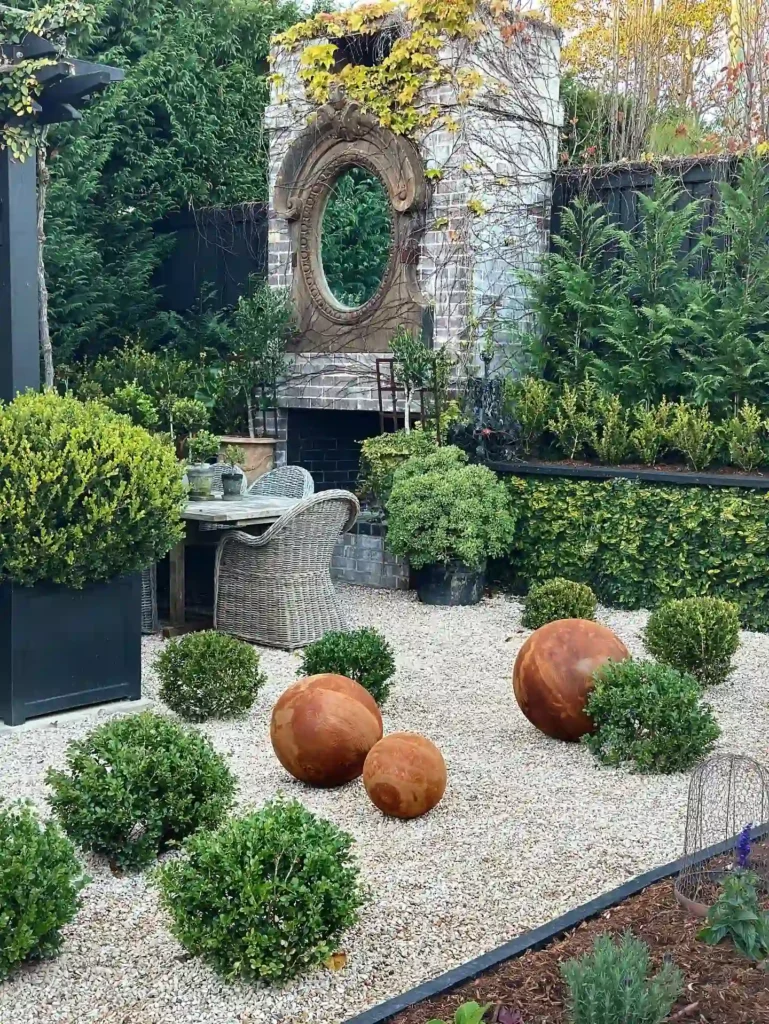
Garden art is a wonderful way to express your individual style and add intrigue to your backyard. From whimsical sculptures to elegant wind chimes, carefully selected pieces can transform your outdoor space into a gallery under the sky.
Here’s how to personalize your backyard with unique garden art.
Choosing Garden Art That Reflects Your Style
The key to selecting garden art is to find pieces that resonate with your personal aesthetic and complement the natural beauty of your outdoor space. Consider these ideas:
- Sculptures: Choose sculptures that reflect your interests—be it abstract forms, animals, or classical figures. Place them strategically to surprise and delight visitors.
- Wind Chimes: Add aural interest with wind chimes. The gentle sounds can enhance the peacefulness of your garden, offering a soothing backdrop to your outdoor activities.
- Decorative Stakes: For a subtle touch of art, decorative stakes can be placed among your plants. They come in various designs, from flowers and insects to whimsical characters.
Integrating Art into Your Garden
To ensure your garden art enhances your space without overwhelming it, consider these integration tips:
- Balance: Distribute art pieces throughout your garden to create visual balance. Too many pieces in one area can feel cluttered.
- Focus: Use larger, more striking pieces as focal points, drawing the eye and adding interest to specific areas of your garden.
- Harmony: Select materials and colors that harmonize with your garden’s palette and textures. This creates a cohesive look that feels intentional and serene.
Maintaining Your Garden Art
To keep your garden art looking its best, follow these maintenance tips:
- Cleaning: Regularly clean your art pieces to prevent buildup of dirt and grime. The cleaning method will depend on the material, so be sure to follow any specific care instructions.
- Protection: Consider the durability of your art in various weather conditions. Some materials may require seasonal storage or protective coatings to extend their lifespan.
- Placement: Think about the placement of each piece in relation to the elements. Sunlight, wind, and rain can affect different materials in different ways, so position your art accordingly.
Update Your Outdoor Furniture
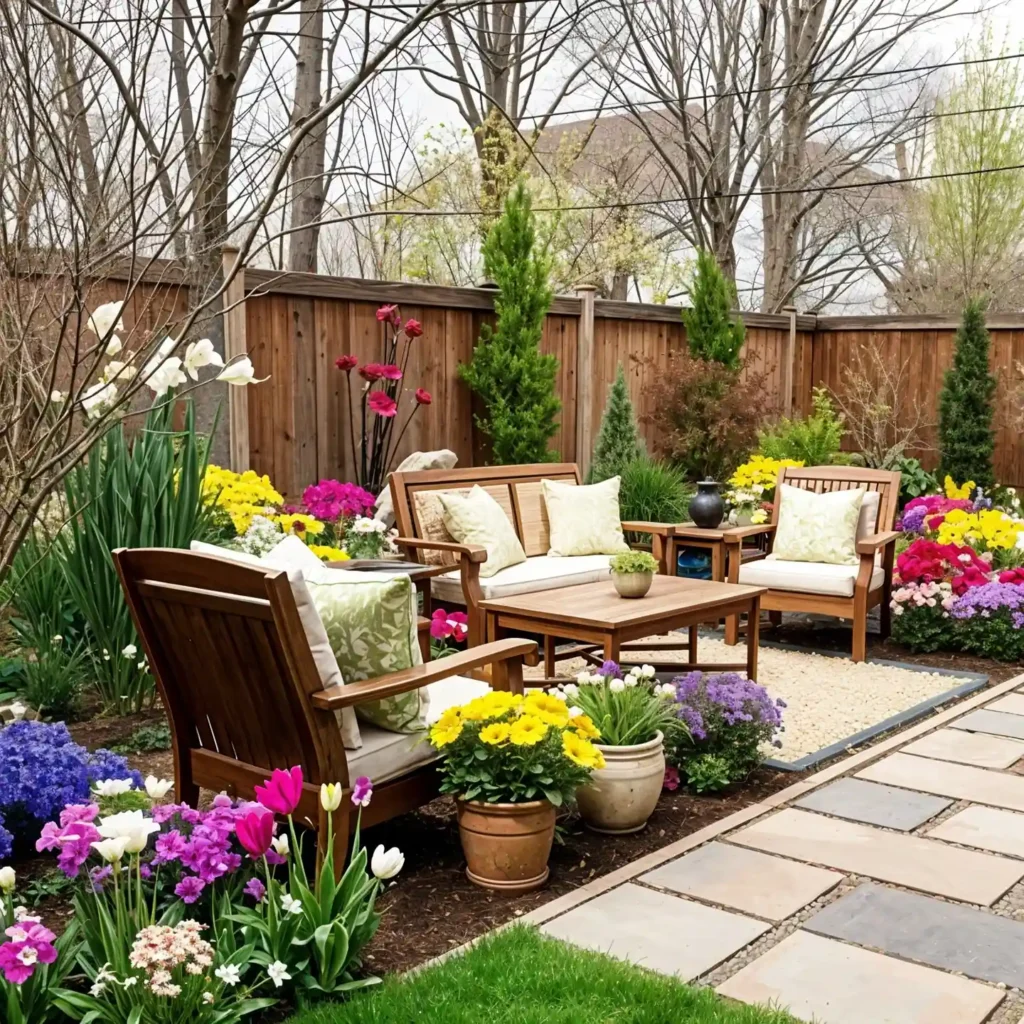
Refreshing your outdoor furniture is one of the most impactful ways to revitalize your backyard’s appearance and comfort. Whether it’s through adding new pieces, updating existing ones, or rearranging layouts, the right furniture can transform your outdoor space into a stylish and functional extension of your home.
Here’s how to update your outdoor furniture for a spring refresh.
Assessing Your Current Furniture
Start by evaluating your existing outdoor furniture. Consider these questions:
- Condition: Is your furniture still in good shape, or does it show signs of wear and tear?
- Functionality: Does it meet your current needs in terms of seating and usability?
- Style: Does it reflect your personal style and complement your outdoor space?
Refreshing Existing Furniture
If your furniture is in good condition but needs a facelift, consider these updates:
- Cushions and Upholstery: Replacing or recovering cushions is an easy way to introduce new colors and patterns.
- Paint: A fresh coat of paint can breathe new life into wood or metal furniture, transforming its appearance.
- Arrangement: Sometimes, simply rearranging your furniture can create a whole new look and improve flow and functionality.
Selecting New Outdoor Furniture
If you’re in the market for new outdoor furniture, keep these factors in mind:
- Material: Choose materials that are durable and weather-resistant, such as teak, aluminum, or all-weather wicker.
- Comfort: Prioritize comfort, especially for seating. Test furniture before purchasing to ensure it meets your comfort standards.
- Style: Look for pieces that reflect your personal style and fit the overall theme of your outdoor space.
Incorporating Functional Pieces
Consider adding functional pieces to enhance your backyard’s usability:
- Dining Sets: For those who love to entertain, a sturdy dining set can serve as the centerpiece for outdoor meals.
- Lounge Furniture: Create a relaxation zone with lounge chairs, daybeds, or a hammock.
- Storage Solutions: Outdoor storage benches or cabinets can keep your space tidy and store cushions or toys when not in use.
Add Outdoor Lighting
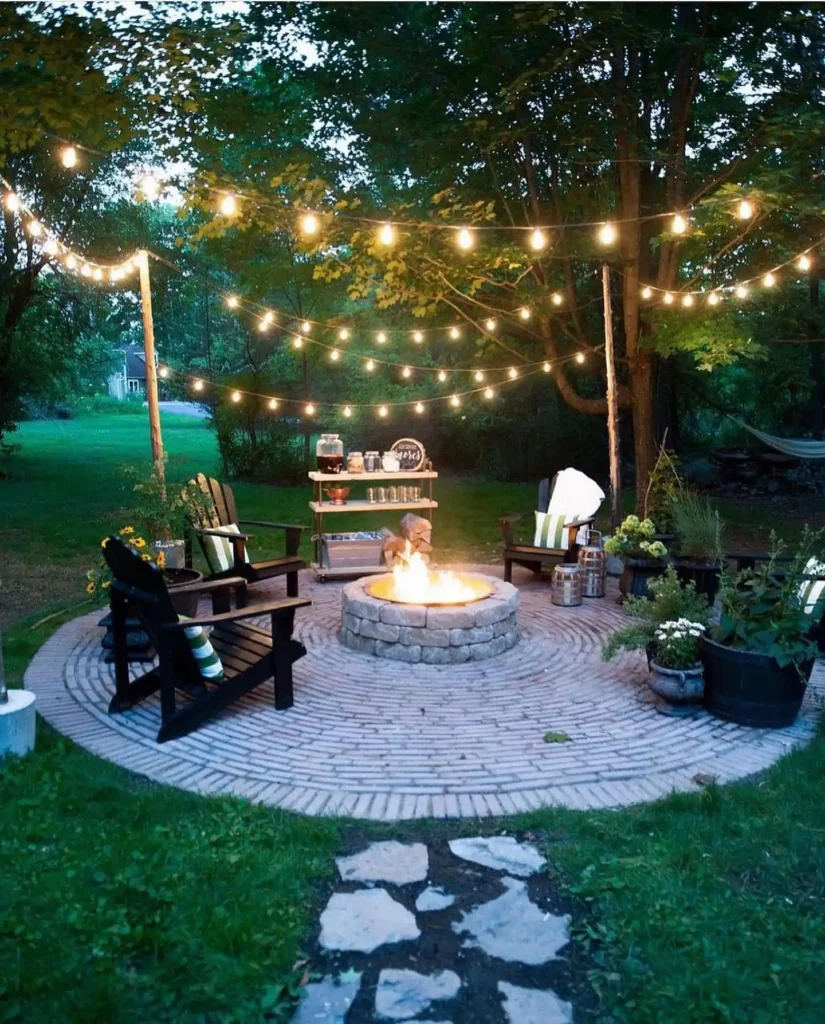
The right outdoor lighting can transform your backyard into a warm and inviting space after sunset, perfect for relaxing or entertaining. From subtle accent lights to functional illumination, the options are endless.
Let’s explore how to enhance your backyard with outdoor lighting.
Assessing Your Lighting Needs
Begin by considering what areas of your backyard would benefit most from lighting:
- Paths and Walkways: For safety and navigation, ensure paths are well-lit.
- Seating Areas: Ambient lighting can create a cozy atmosphere for relaxation and socializing.
- Focal Points: Highlight garden features, sculptures, or plants with accent lighting.
Choosing the Right Types of Lighting
There are several types of outdoor lighting to consider, each serving a different purpose:
- String Lights: Ideal for creating a festive or intimate atmosphere over dining areas or lounging spaces.
- Solar Lights: An eco-friendly option for path lighting or garden accents. Their lack of wiring simplifies installation.
- LED Spotlights: Perfect for highlighting focal points or architectural features. LED lights are energy-efficient and long-lasting.
- Lanterns: Portable and versatile, lanterns can add a decorative touch and be moved as needed to illuminate different areas.
Designing with Light
To create a truly enchanting backyard, consider these lighting design tips:
- Layering: Combine different types of lighting to achieve balance and depth. Use ambient lighting for overall illumination, task lighting for specific activities, and accent lighting to highlight features.
- Warmth: Opt for warm white lights to create a welcoming and comfortable atmosphere. Cool lights can feel harsh and uninviting in a backyard setting.
- Subtlety: Avoid over-lighting. The goal is to enhance the night, not recreate daylight. Use shields or diffusers to prevent glare and direct light where it’s needed.
Installation and Safety
When installing outdoor lighting, safety should be a top priority:
- Waterproof Fixtures: Ensure all outdoor lighting is suitable for exterior use and rated for wet conditions.
- Professional Installation: For hardwired lighting, consider hiring a professional to ensure safe and proper installation, especially for high-voltage fixtures.
- Regular Maintenance: Check and clean your outdoor lights regularly to maintain their appearance and functionality.
Conclusion
In conclusion, refreshing your backyard for spring is an exciting opportunity to breathe new life into your outdoor space.
Every step you take can transform your backyard into a personal retreat that reflects your taste and meets your needs.
We’ve covered everything from defining your style to incorporating vibrant blooms, adding focal points, and selecting the right furniture and lighting.
So, embrace the change of season with these tips and start creating your ideal backyard oasis today.
Happy refreshing!
Frequently Asked Questions: Spring Backyard Decor Ideas
What are some low-maintenance plants I can add to my backyard?
For a low-maintenance garden, opt for perennials that return year after year, such as daylilies, lavender, and sedum. Native plants are also a great choice, as they are adapted to the local climate and typically require less watering and care. Consider incorporating evergreens for year-round greenery with minimal upkeep.
How can I ensure my outdoor furniture lasts longer?
Choosing furniture made from durable, weather-resistant materials like teak, aluminum, or all-weather wicker is key. Protect your furniture with covers during extreme weather and store cushions indoors when not in use. Regular cleaning and maintenance, such as applying protective finishes, will also extend the life of your furniture.
What’s the best way to light my backyard for evening use?
For evening enjoyment, combine ambient lighting with task and accent lighting. Solar-powered and LED lights are energy-efficient options for ambient lighting. Use spotlights to highlight features like trees or sculptures, and ensure paths and seating areas are well-lit for safety and functionality.
How do I start planning my backyard refresh on a budget?
Begin by setting a clear budget and prioritize the changes that will have the most significant impact. Consider DIY projects, repurposing existing items, and gradually making improvements over time. Focus on cost-effective updates like painting, planting seasonal flowers, or adding outdoor lighting with solar options.
Save this pin to come back to these Spring backyard decor ideas later!
Related Posts:
- 10 Fresh & Fun Ideas for Spring Decor
- Bring the Outside In: Spring Porch Decorating Tips
- Simple Ways How To Create Farmhouse Spring & Easter Charm
- Easter Basket Full of Throw Pillows
- Simple Ways How To Create Farmhouse Spring & Easter Charm
- Easter Basket Full of Throw Pillows
- How To Infuse Your Home With Spring Vibe
- 10 Creative Ways to Style Your Mantel for Spring
- Easter Wreaths: A Festive Touch for Your Front Door
- Easter Table with Natural and Colorful Centerpieces