
Maximalist decor celebrates bold color, layered patterns, and expressive details that give a home its energy.
When approached with care, it creates rooms that feel collected, personal, and full of depth. Without intention, those same elements can begin to feel busy or overwhelming.
Balance is essential. Maximalism works best when strong choices are guided by rhythm, repetition, and contrast.
In this post, you’ll learn how to find that balance. We’ll look at what defines maximalist decor, why it continues to gain popularity, and how to layer color, pattern, and texture in a way that feels cohesive.
By the end, you’ll have practical guidance to create a maximalist space that feels bold, intentional, and true to your style.
Understanding Maximalist Decor and Its Eclectic Roots
Maximalist decor draws from eclectic design by blending influences from different styles, eras, and cultures. What sets it apart is structure. When bold elements are echoed and edited with intention, a space feels expressive rather than overwhelming.

If you’re new to the style, this overview of what maximalist home decor is and why it resonates offers helpful context.
For a deeper foundation, this guide to what eclectic decor is and how the style comes together is a useful starting point.
Finding the Balance Between Eclectic and Overwhelming
Maximalist decor often begins with a love for color, pattern, and collected pieces. The challenge appears when everything feels bold, but nothing feels settled.
A room can shift from eclectic to overwhelming when too many elements compete for attention. This often happens when colors don’t repeat, patterns clash without structure, or every surface carries equal visual weight.
Balanced maximalist spaces guide the eye instead of pulling it in every direction. They rely on clear focal points, recurring colors, and layered textures that connect one area of the room to another.
Eclectic design plays an important role here. Mixing styles and influences adds personality, but cohesion comes from editing and intention. When some elements are echoed and others are given room to breathe, the space feels expressive rather than chaotic.
Many of these ideas overlap with eclectic interiors more broadly, and these fundamental principles for creating balance in eclectic decor reinforce how structure supports creative spaces.
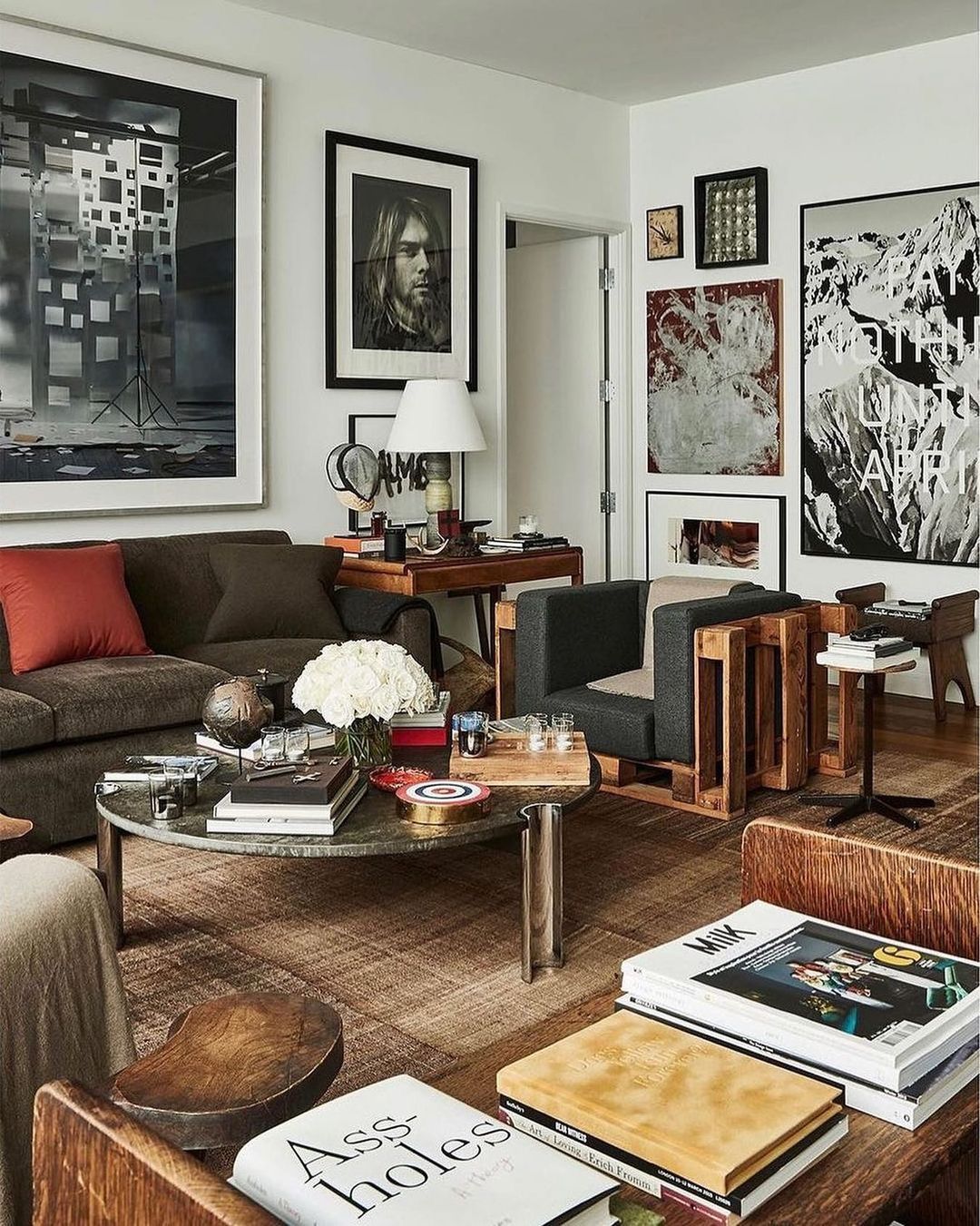
How to Create Balance in a Maximalist Space
Balance is what separates a thoughtfully layered maximalist home from one that feels visually exhausting.
Even with bold colors and rich textures, a space should still feel intentional. This comes from making clear design decisions rather than adding everything at once.
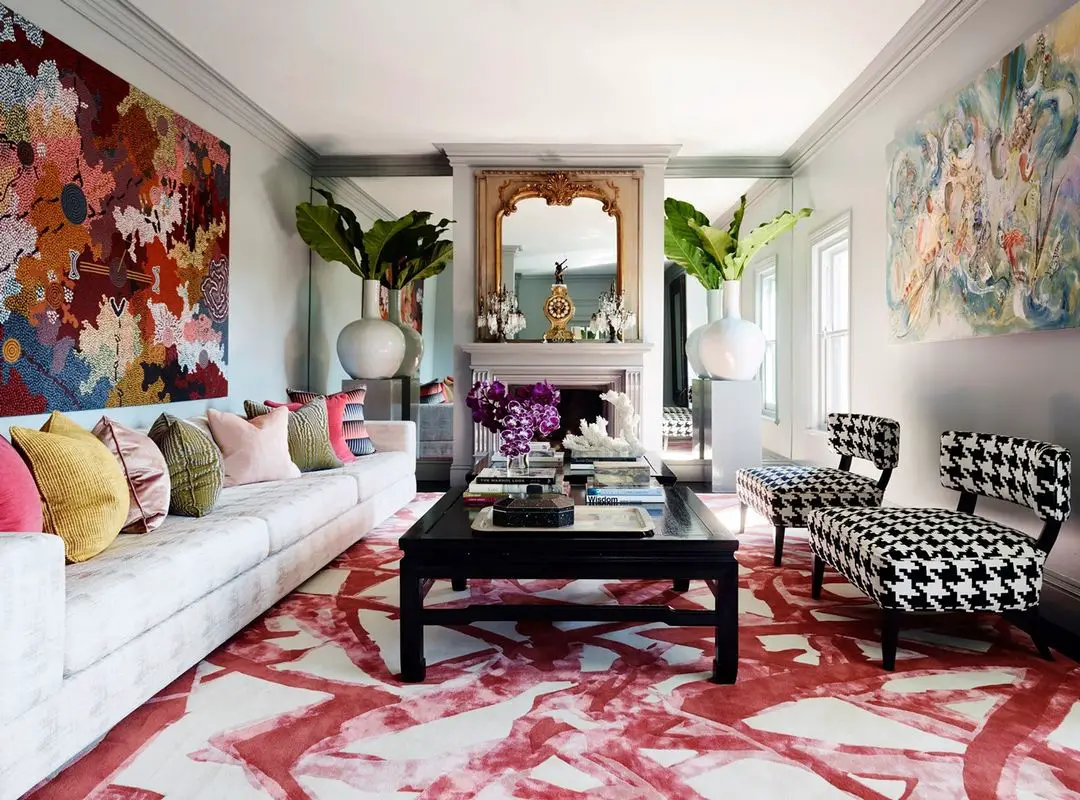
A cohesive maximalist room often includes a few unifying details that repeat throughout the space. This might be a shared color, a recurring material, or a similar sense of visual weight across furniture and decor. These elements quietly connect the room, even when styles and influences vary. When each piece has a role, the space feels full without feeling crowded.
Mixing Patterns and Textures With Intention
Layering patterns and textures is one of the defining features of maximalist decor, but it works best with structure.
Allow one pattern to take the lead. This could be a bold rug, upholstered furniture, or wallpaper. Supporting patterns should complement it through color or scale rather than compete for attention.
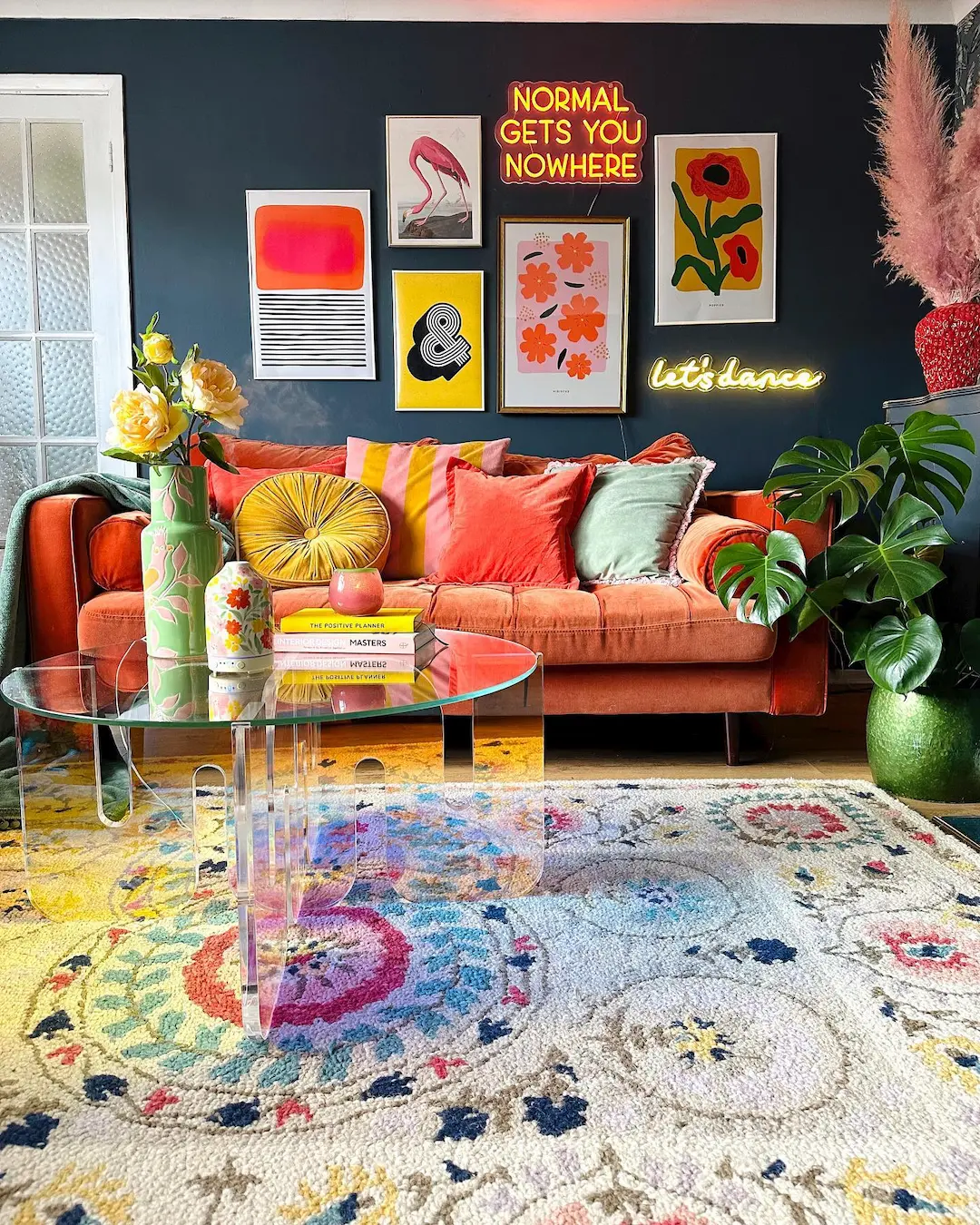
Texture adds another layer of depth. Mixing soft fabrics with structured materials creates contrast and visual interest. The goal is variety with restraint, where each layer contributes without overwhelming the room.
For a closer look at this approach, this guide on mixing patterns and textures in eclectic interiors shows how contrast and repetition work together.
Using Color to Tie Everything Together
Color often determines whether a maximalist space feels cohesive or chaotic.
Rather than using many unrelated colors, balanced maximalist interiors rely on repetition. A color that appears across artwork, textiles, and accessories helps guide the eye and creates visual rhythm.
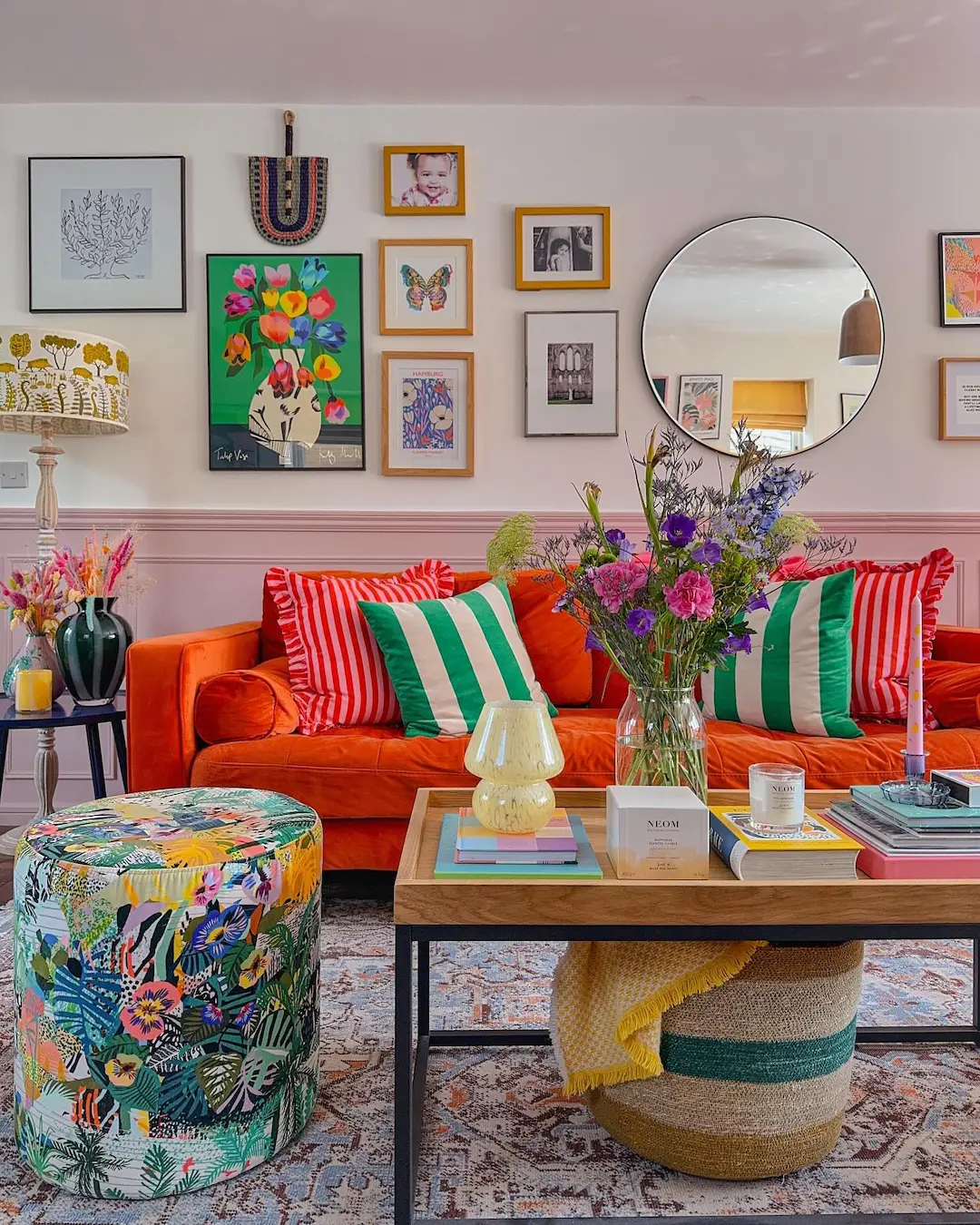
This approach is especially effective when working with seasonal palettes, such as maximalist fall decor that leans into rich layers and deeper tones where repetition keeps bold choices grounded.
Textiles play a major role here as well. These ideas for using eclectic textiles throughout the home show how fabric and pattern can soften strong design choices.
Balancing Statement Pieces and Supporting Decor
Maximalist rooms benefit from clear focal points.
Large statement pieces such as a bold sofa, oversized artwork, or a distinctive light fixture help anchor the space. These elements give the eye a place to rest and establish visual hierarchy.
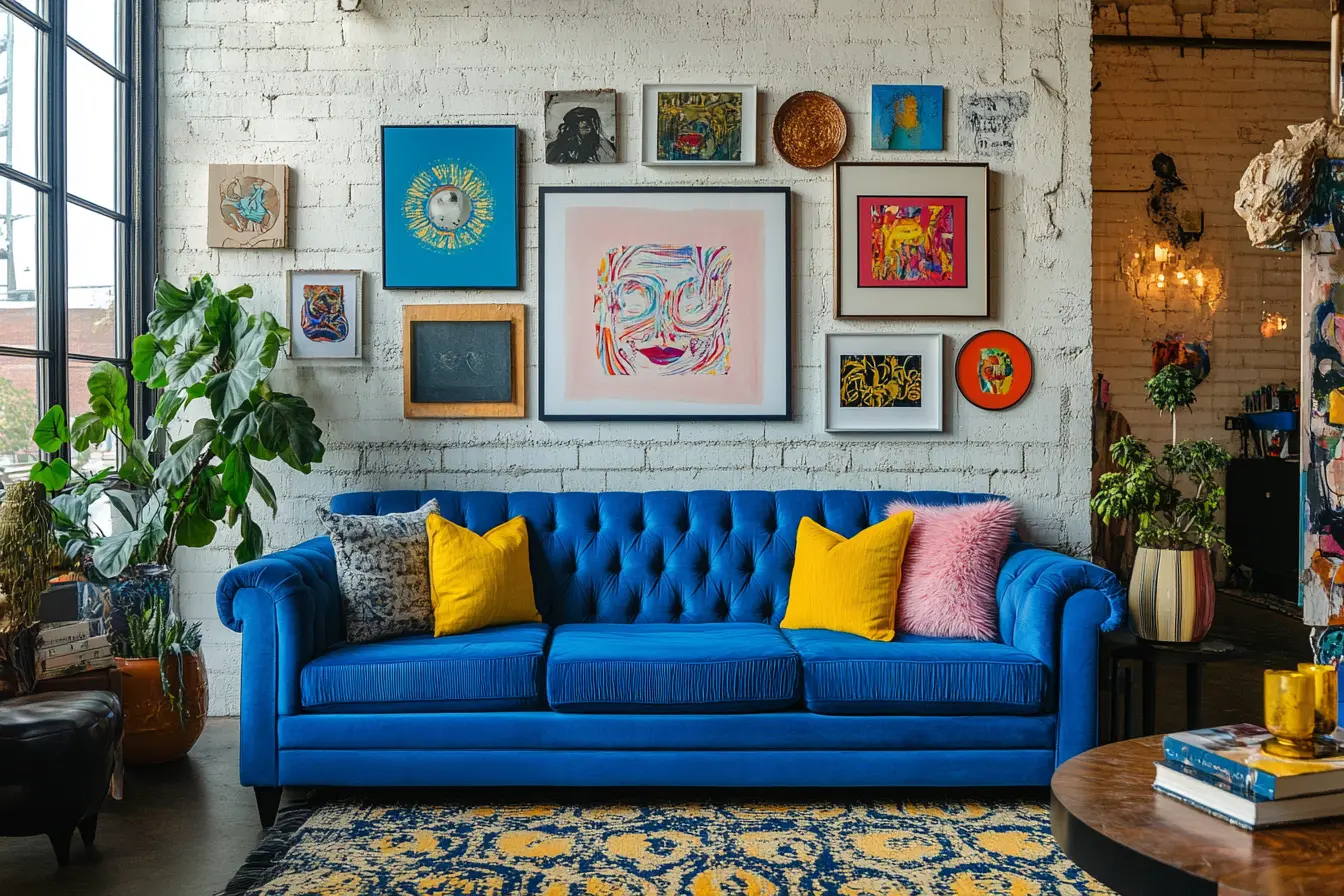
Artwork plays a major role here. Learning how to use wall art to create impact in a maximalist home can help add personality without overwhelming the room.
Smaller decor pieces should play a supporting role. When everything is treated as a statement, the room can feel cluttered. Balance comes from allowing certain pieces to stand out while others add depth more quietly.
How to Balance Maximalist Decor Room by Room
Once the core principles are clear, applying them becomes easier when you focus on one room at a time. Each space has its own purpose, which naturally shapes how much visual weight it can hold.
Living Room
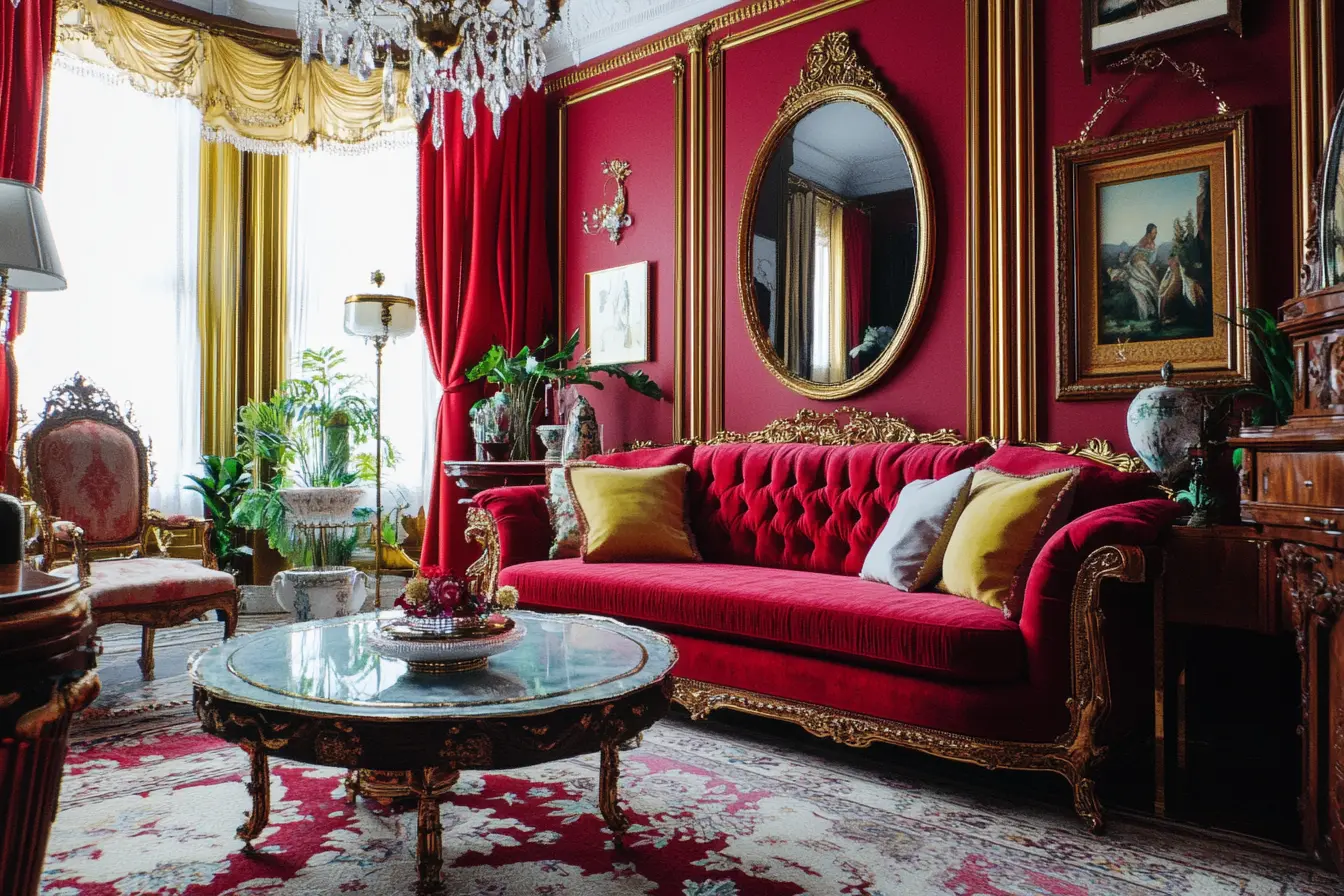
The living room often carries the most visual energy, which makes balance especially important.
Start by establishing a clear focal point, such as a bold sofa, a statement rug, or a gallery wall. Supporting pieces should reinforce that focal point rather than compete with it.
Living rooms are often where eclectic style feels most personal. This approach to designing an eclectic living room that reflects your story shows how layered pieces can still feel intentional.
Accent details like cushions can add personality when layered thoughtfully. This guide on using colorful pillows to support a maximalist space demonstrates how smaller pieces can enhance larger design choices.
Bedroom
Maximalist bedrooms benefit from a softer approach.
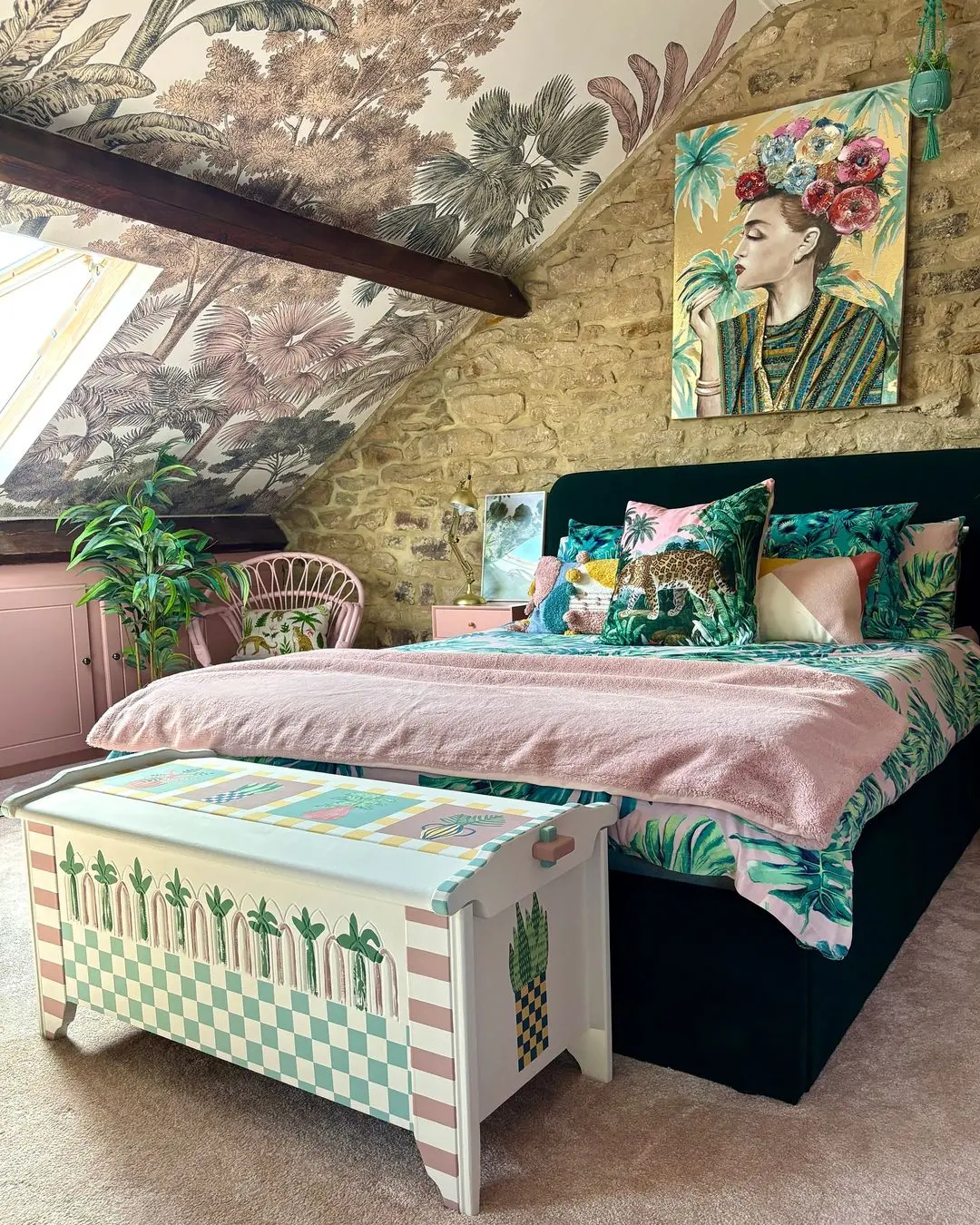
Bold pattern and color work best when concentrated in one or two areas, such as bedding, a feature wall, or drapery. Keeping furniture shapes simpler helps offset visual richness and prevent the space from feeling restless.
For a relaxed and expressive variation, boho influences can soften a maximalist bedroom. You can see this balance in creating a colorful boho maximalist bedroom that feels eclectic yet grounded.
Bathroom
Bathrooms are one of the most effective spaces for maximalist decor, but they require clear boundaries.
Because bathrooms are typically smaller, balance comes from containment. Choose one dominant feature, such as patterned tile, wallpaper, or a strong color on a single wall, and keep surrounding surfaces calmer.
Texture and material do much of the work here. Stone, brass, wood, and ceramic add richness without visual clutter. When eclectic influences are layered through finishes rather than objects, the result feels expressive yet controlled, as seen in designing a funky eclectic bathroom with bold details and balance.
Dining Room
Dining rooms are well suited to maximalist decor, especially when structure is clearly defined.
A strong anchor helps set boundaries. This might be a statement dining table, sculptural lighting, or a bold rug that grounds the space. Layered elements can then build around it without competing.
Balance often comes from restraint at the table itself. Keeping tabletops more minimal allows surrounding colors, textures, and finishes to stand out. This mirrors principles used in styling eclectic living spaces with intention, where visual hierarchy keeps expressive rooms functional.
Entryway or Hallway
Entryways and hallways benefit from a more edited approach to maximalism.
Because these spaces are transitional, visual weight should be concentrated vertically through artwork, wallpaper, or mirrors rather than spread across surfaces.
Repetition is especially important here. Echoing one or two colors or materials helps the space feel intentional. Thoughtfully chosen accents, as shown in styling eclectic accessories to create balance in small spaces, add personality without visual compression.
Why Maximalist Spaces Sometimes Feel Overwhelming
A maximalist room usually feels overwhelming when visual structure is missing.
This is rarely caused by having too much. More often, it comes down to how elements are arranged and repeated. When bold choices aren’t supported by hierarchy, the eye doesn’t know where to rest.
Color without repetition is a common issue. When strong colors appear only once, they compete rather than connect. Repeating key colors across walls, textiles, or artwork brings clarity.
Pattern overload can also create tension. Mixing patterns works best when one acts as the anchor and others support it through scale or color.
Equal visual weight across every surface adds fatigue. When everything is treated as a statement, nothing stands out. Allowing certain elements to dominate while others remain quieter restores balance.
Finally, a lack of negative space often pushes a room toward overwhelm. Even in maximalist interiors, open areas give bold elements room to breathe and help the space feel curated rather than crowded.
Practical Tips for Layering Without Overdoing It
Creating a maximalist home works best when it evolves over time.
Start with a few key pieces and allow the room to develop gradually. This makes it easier to see what enhances the space and what feels unnecessary.
Experiment with pattern and texture, but revisit the room regularly. Editing is an essential part of maximalist decor. Removing pieces that no longer serve the space helps maintain balance while preserving personality.
For a broader perspective, this complete guide to bold maximalist living spaces ties these ideas together at a larger scale.
Conclusion
Maximalist decor thrives on individuality, but balance gives it staying power.
When eclectic elements are tied together through repetition, scale, and thoughtful contrast, a space feels curated rather than cluttered. Bold choices become intentional, and personality shines without visual fatigue.
By approaching maximalism with structure and confidence, you can create a home that feels rich, expressive, and genuinely inviting to live in.
Happy decorating!
Related Posts:
- How to Incorporate Vintage Eclectic Design in a Modern Space
- A Guide to Decorating Your Home with Bold Colors
- Eclectic Textiles for Every Room: How to Incorporate Them in Unique Ways
- Colorful and Eclectic: How to Create a Boho Maximalist Bedroom
- How to Style Your Maximalist Home with Colorful Pillows